Over 20 representatives and stakeholders from Telcoms, public broadcasters & legal officer from the Office of the Attorney-General, Government of the Republic of Fiji are attending the consultation meeting n discussion.


In response to the ongoing COVID-19 situation and information dissemination efforts of media, Asia-Pacific Institute for Broadcasting Development (AIBD), organised a half-day In-Country Seminar on ‘Reporting on Health Crisis: Training Journalists for Emergencies and Outbreaks’ today. The Seminar was organised with support from World Health Organisation (WHO), National Institute of Health (NIH), National Institute of Occupational Safety and Health (NIOSH) and Asian Disaster Preparedness Center (ADPC).
Forty-five participants from 18 organisations attended the Seminar, which aimed to help the journalists and content creators gain deeper knowledge on the COVID-19 and explore methods on how to report on health issue to ensure greater public awareness.
There were five speakers highlighting different areas of focus within health crisis reporting. Dr. Cory Couillard, Consultant with WHO gave presentation on the current situation and emphasised the role of media on public health and risk perception.
Ms Khairulnissa Abdul Kadir, Health Education Officer at National Institute of Health (NIH) elaborated upon the public behavioural aspect and importance of disseminating accurate information at the correct time.
The third speaker of the event, Dr Yvonette Duque, Senior Public Health Specialist at Asian Disaster Preparedness Center (ADPC), Thailand gave an overview of the standard of procedure for Disaster Risk Preparedness from an international perspective, and Ms Ruzita binti Mohd Shariff, Technical Expert with Department of Education and Training at National Institute of Occupational Safety and Health (NIOSH), Malaysia, gave presentation on the key factors to ensure safety and health for journalists during crisis reporting.
The final speaker was Assoc. Prof. Dato Dr. S. Vellayan, consultant avian, exotic reptile, wildlife and veterinarian, gave brief presentation on the importance of research and history of pathogens while reporting.
An interactive session focusing on filtering information and avoiding sensationalizing during health reporting was also conducted after the seminar. The session was conducted by Dr Couillard.
]]>Given the importance of both law and ethics to the practice of journalism, and the diversity of the Asian region, it is necessary to identify common principles and approaches that could be the building block for further and deeper understanding of more complex country specific law practices.
AIBD Regional Workshop on Media Law and Ethics is aiming to explore legal and ethical risks in the media world and dealing with the key challenges faced by media professionals in the age of social media.
24 Participants from Bangladesh, Cambodia, India, Malaysia, Myanmar and Seychelles are participating in this 3-day workshop, taught by renowned journalist Mr Rajah Nadeswaran also known as the famous columnist Citizen Nades and Dr Antoon De Rycker, Head of Department of General Studies at BERJAYA University College.
The workshop is being held in Kuala Lumpur, Malaysia from 12 to 14 February 2020.
]]>AIBD in collaboration with Prasar Bharati and NABM conducted a Sub–Regional Workshop on Studio & Newsroom Automation in Delhi from 13 to 17 January 2020.
AIBD Director, Ms Philomena Gnanapragasam, and the Compliance & Strategy Operation Officer, AIBD, Ms Lee Lai Mee were present at the certificate awarding ceremony. The Director took the opportunity to thank the CEO for the successful organisation and conclusion of the workshop. Six foreign participants of the workshop had the honour of receiving their certificates personally from the CEO in his office.
After the training concluded, AIBD team met with the Addl. Director General NABM, Gp Captain Ashok Nigam and discussed on possible collaborations in future training activities

AIBD/NABM Sub-Regional Workshop on Studio & Newsroom Automation in Kingsway Camp, 13-17 January 2020
AIBD in collaboration with Prasar Bharati and NABM conducted a Sub–Regional Workshop on Studio & Newsroom Automation in Delhi from 13 to 17 January 2020.
AIBD Director, Ms Philomena Gnanapragasam, and the Compliance & Strategy Operation Officer, AIBD, Ms Lee Lai Mee were present at the certificate awarding ceremony. The Director took the opportunity to thank the CEO for the successful organisation and conclusion of the workshop. Six foreign participants of the workshop had the honour to receiving their certificates personally from the CEO in his office.
After the training concluded, AIBD team met with the Addl. Director General NABM, Gp Captain Ashok Nigam and discussed on possible collaborations in future training activities.
]]>SKILLS AND TECHNIQUES OF SINGLE CAMERA PRODUCTION OPERATION
A good TV programme does not rely on the script and directing only. Photography/ videography also plays an important role to pull the audience. It is important for a cameraman to, not only able to understand the command of TV language but has creativity and the skill to handle a camera /camcorder independently. He may be an experienced cameraman in the News department and studio but situation is different for a single camera production operation where creativity and techniques of shooting in sequence (SIS) are amongst the determining factors of success for the production and the needs of post-production.
A three days In-Country Workshop on Single Camera Production Operation was successfully held on 24th -26th September 2019 in Bandar Seri Begawan, Brunei Darussalam. It was organized by Radio Television Brunei (RTB) with the collaboration of Asia-Pacific Institute for Broadcasting Development (AIBD). It was aimed to enable the ENG cameraman to acquire the skills and techniques of SCP Operations to become professional and creative besides upskilling the cameraman to multi-task in both SCP and MCP operation in the TV station.
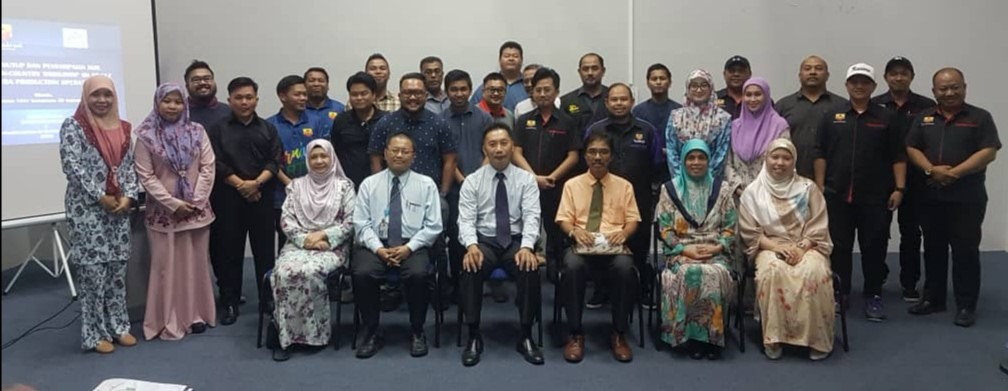
A total of 25 participants who are mostly cameraman and technicians from various unit (OB, EFP, ENG, studio, lighting & audio) attended the 3 days workshop.
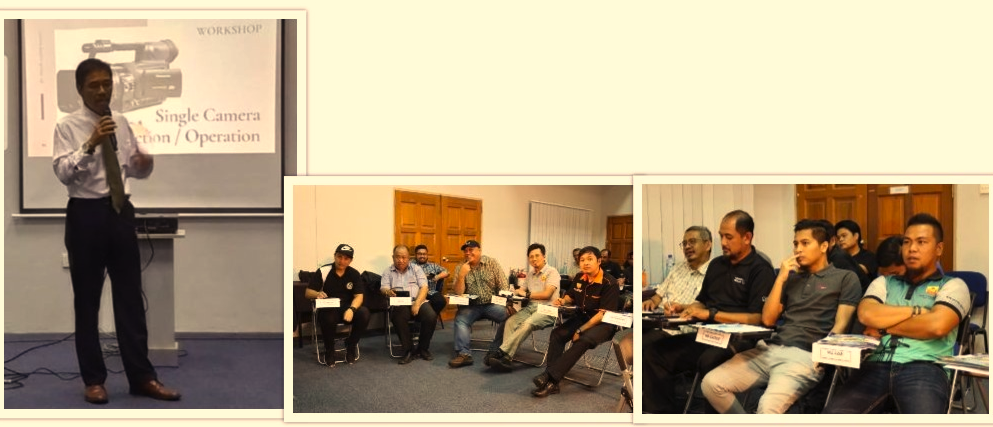
In this workshop, participants learned about the important parts and the switches of the camcorder and had hands-on sessions practicing the technique of shooting.
The characteristic of the lens, such as focal length & depth of field were also taught to the participants. This was essential as understanding characteristic of the lens will help the cameraman to become creative.
The fundamentals of a basic MCP and SCP operation were revisited whereby the participants were reminded about the importance of the preparation for pre-production i.e. to get idea, planning, storyboard, shooting list and to be clear of the use for basic shot of what is establishing shot, detail shots and cutaway shots.
The important rules of Orientation / 180degrees rules, Interview and VOX pop in television production and technique of shooting were also demonstrated in order to make participants really understood what was been taught.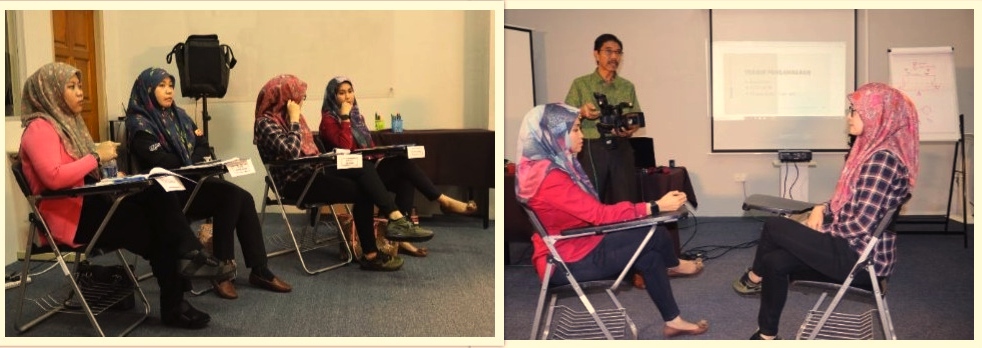
Shooting In Sequence ( SIS )
To understand SIS, the cameraman must have knowledge or expertise in dealing with camcorder and to understand the basic production rule such as:
– What & where to use basic shot / composition (rules of third)
– What is orientation / line of axis (180 degrees rule)
– What is cut away shot. (important during editing rule)
SIS technique can save time, storage and it helped the cameraman to be independent. To showcase what had been learned, the participants were divided into small groups and given a chance to make mini project each using SIS technique.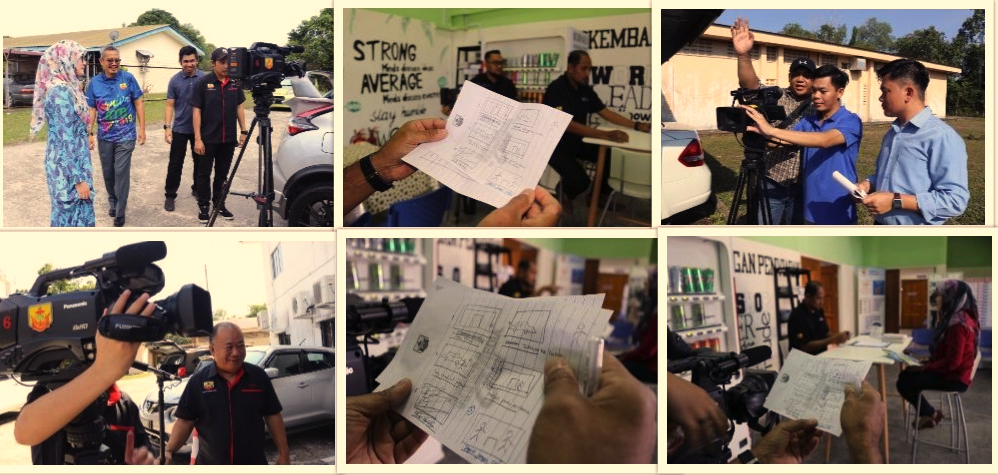
All thanks to the experience of the trainer, Mr Azhar Kamat, the workshop ended with the participants acquiring the understanding of the importance of Pre-production preparation, storyboards and shooting list, the purpose and impact of taking quality shot with minimal storage and most of all know how to operate the camcorder professionally and shoot independently.
The workshop was officially closed by YM Cheong Chee Keong, Acting Deputy Director of Training and Human Resource Department.
AIBD and Televisi Republik Indonesia (TVRI) organised an In-Country workshop on Mobile Journalism in the historical Royal city of Yogyakarta, Indonesia from 23 to 27 September 2019. The workshop was designed for the broadcasters of Indonesia working in the programme, camera, news and social media departments.

The aim of this practical training was to enabled the participants to explore the potential of mobile journalism in Fourth Industrial Revolution which requires new perspectives to be adopted by the Broadcasting industry. The workshop discussed the importance of effective and efficient communication between the newsroom and the field reporters. 
Participants of the workshop gained insight and practices during the training such as : producing interviews, documentaries and promos with smartphones, exploiting the smartphone specs with the manual controls, editing the footage, creating motion graphics, newsroom management for Mojo reporters, doing live streams from smartphones, working with the teams and distributing the reports on different platforms. The workshop also included extensive sessions on script writing and media management through smartphones. The workshop ended with a session on VR journalism and application of Artificial Intelligence as the future of Mojo as a way forward for a potential future workshop.
Participants, being senior broadcasters of TVRI, appreciated the training workshop and found it useful for both the future and their current work activities. Initially, some concerns were raised by the participants from camera department on the idea of ‘one man show’ and being less dependent on the traditional ways of production. In response, the consultant, Mr Nabeel Tirmazi discussed the global models of integration of Mojo workflow with the traditional setup, and emphasized that even cameramen should learn this workflow along with the storytelling techniques to uplift their profile and to contribute more impact fully for their organisation. 
On the first day, Mr Apni Jayaputra, Director of News & Programme TVRI, delivered his presentation on his experience as a Mobile Journalist and showcased his work. He told that TVRI has the plan to integrate the Mojo workflow in its mainstream broadcasting, but to do that, the employees should know the potential of this skill, the authorities will leave no stone unturned to uplift their employees for this skill. He also added, that Mr Helmi Yahya, Director President, TVRI, has planned further to recognize the significant contributors of MoJo and in near future there might be a separate division on New Media.

During the 5-day workshop, participants were given 3 assignments to showcase their newly gained skills. For this purpose, two sessions were allocated for the outdoor recording, one being a final report on historical Borobudur Temple, World’s largest Buddhist temple near Yogyakarta.
Participants showed active participation during the practical training and produced altogether fifteen short reports on various issues in Yogyakarta, which were shot, narrated and edited on smartphones only. The participants displayed high commitment to not only to apply the knowledge learned from this workshop but also to mentor their colleagues and subordinates to use the potential of ‘mojo’ to create impactful stories.
On the last day, Mr Isnan Rahmanto, Director Finance, TVRI was the chief guest, and he praised the quality of the reports produced by the participants of the workshop and encouraged them to teach these skills to their colleagues. He also mentioned that as President Director TVRI seeks to empower the employees of TVRI in the subject of Mobile Journalism, the organisation might organise more in-country workshops on the advance concepts of MoJo.
Lastly, Mr Rahmanto praised the role of AIBD in uplifting the Asian-Pacific broadcasting industry and showed support to the initiatives of Ms Philomena Gnanapragasam on coping with research on Fake news and to have an annual regional Ministerial meeting of Information Minsters of AIBD’s member countries.

Twenty-One participants from 15 TV stations of TVRI, which included regional stations of Turi Kalimantan Barat, TVRI Jogja, TVRRI Sumut, TVRI Sumsel, TVRI Sulbur, TVRI Kaltim, TVRI Aceh, TVRI Jawa Barat, TVRI North Sulawesi, TVRI Bali, TVRI Jateng, Tvri Sulsel and Head office in Jakarta with working experience from 7 to 20 years attended the workshop. 
Mr Nabeel Tirmazi, former producer from Pakistan Television and AIBD Programme Manager conducted the workshop while Ms Yohana Savitri provided the translation from English to Bahasa Indonesia.
]]>The three-day AIBD Sub-Regional Workshop on Sports Journalism is underway in Kuala Lumpur, Malaysia. The Workshop began today. More than 15 participants from Myanmar, Malaysia, and Vietnam are attending the Workshop.

Background
Sports reporting was never considered a serious journalism until very recently. In a newsroom setting the sports department would most often be considered as ‘soft department’, where journalists didn’t have to chase hard or investigative stories. The assignments would be simple and mostly based on events taking place in a ‘x’ country or a ‘y’ region.
However, sports coverage has now become an important focus of news due to its growth, interest, and the increase in wealth, power, and influence of sports news. And, as sports coverage becomes globalised there is an increasing demand from the audience to know about the management of the sports events and coverages, especially by the officials.
For instance, in recent years; the FIFA scandal, match fixing issues in games, corruption in awarding major sporting events by sports bodies and even racism- have led sports journalists to probe and go beyond what used to be just an event coverage or a report.
Therefore, sports journalism like any other forms of journalism requires special attention, especially in developing countries, where more and more regional and international sporting events are organised.
Besides, one of the beauties of sports is that it transcends national territorial boundaries. It not only promotes peace, culture, and diversity but also brings peoples together.
Aim
While most of the newsrooms in our member countries do have sports department/section set-up to take care of the sports news and other related coverages, they have not become fully professional yet. And some of our smaller member countries do not even have that. As and when required reporters are assigned depending on the nature of the sporting events.
Therefore, this three-day workshop not only aims to teach the participants the craft of sports reporting on various platforms but also the nuances of sports journalism and its importance.
They will be given practical lessons on live commentary and identifying benefits and characteristics of each form of sports journalism including differences in style, approach, and content.
Objective
To help journalists gain practical knowledge and skills in sports reporting and also help set-up a newsroom system to have adequate coverage or a sports bulletin.
Expected accomplishments
EA1; participants can learn sports journalism as a craft- research, reporting, interviewing and writing.
EA2; participants would be able to know various forms of sports journalism- TV, Radio and Online.
EA3; participants would be able to learn different styles of sports writing/reporting- as news, as entertainment, and commentary.
EA3; participants would also be able to understand the business of sports
Consultant
V. Sivakumar- Veteran Sports Journalists and Assistant Director of Programmes (Sports and International Relations), All India Radio (AIR), New Delhi India. Mr. Sivakumar has covered the last two editions of Olympic Games held in Rio de Janeiro and London, the Asian Games held in Incheon, South Korea, and Guangzhou, China, the 2010 Commonwealth Games held in Delhi and the previous Games held in Melbourne along with many other Indian National Games and international cricket matches organized in India. He has also produced many sports commentaries.
Mr. Sivakumar also has experience in planning and executing the coverage of national sporting events held in India and abroad. As an Assistant Director of Programmes (Sports and International Relations), Mr. Sivakumar, is involved in rights acquisition of international sports events like the Olympic Games, Asian Games, Commonwealth Games among others.
]]>
The existing AM and FM analogue systems suffer from inherent short-comings and neither can offer uniform reception quality throughout the coverage area. AM radio reception is constrained by bandwidth limitations which restrict the audio quality, and by interference from other co-channel and adjacent channel transmissions. This is particularly troublesome during the hours of darkness. The start of FM services in the 1950s improved the audio bandwidth and overcame the night-time interference, but the broadcasts were designed to be received using fixed receivers with external antennas. When listened to in vehicles or on portables, reception suffered from the effects of reflected signals and other forms of interference, particularly in suburban and city areas. Digital technology has steadily transformed the way in which programmes are made in the last twenty years. The switch from analogue to digital is moving along the broadcasting chain into transmission and digital developments are drawing together the broadcasting, telecommunications and computer industries in a process of convergence.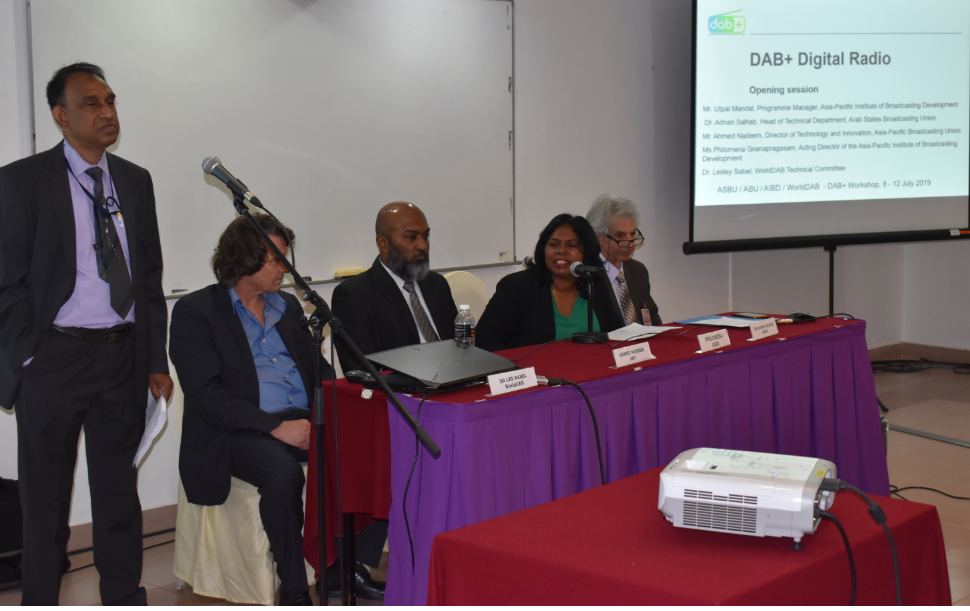
Asia-Pacific Institute for Broadcasting Development (AIBD) in collaboration with Asia- Pacific Broadcasting Union (ABU), Arab States Broadcasting Union (ASBU) and World DAB organised a Regional Workshop on DAB+ Digital Radio Broadcasting at Kuala Lumpur, Malaysia from 08-12 July 2019. The DAB/DAB+/DMB family of standards is a widespread digital radio broadcasting platform, offering radio broadcasters significant cost advantages and offering regulators considerable spectrum efficiencies over analogue and other digital systems. It was originally planned for implementation in two spectrum bands: VHF Band III and L Band, although the use of L Band has now been deprecated. The DAB family of standards includes DAB, DAB+ and T-DMB and is collectively referred as DAB, although DAB+ is the variant which is currently being deployed globally for the delivery of digital radio.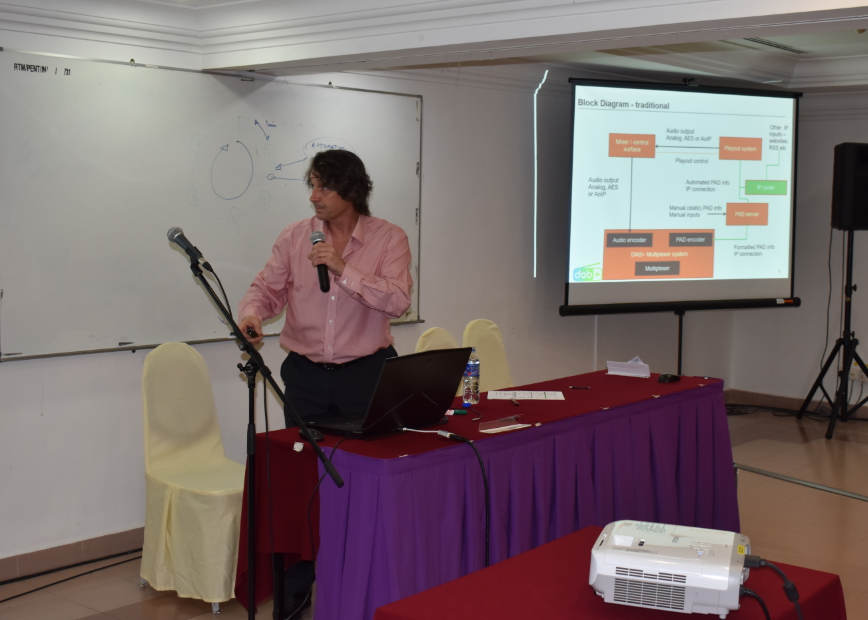
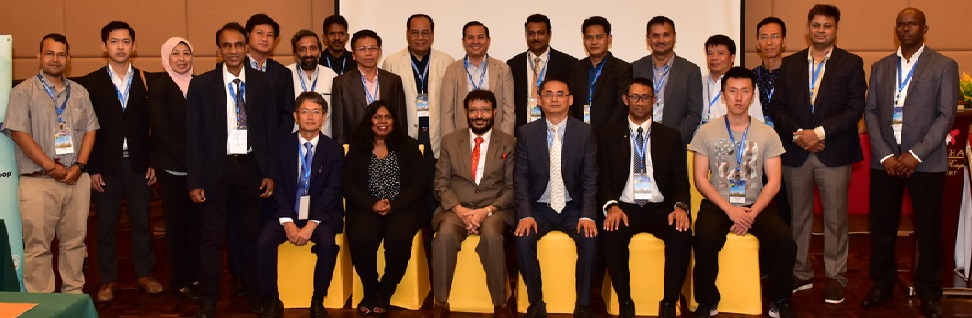
The five-day course covered most of the technical fundamentals and technology used on DAB+ Digital Radio. Sixteen participants from seven AIBD, ABU and ASBU member countries attended the workshop. There were a number of speakers during five days of the workshop. The structure of the DAB family of standards offers a wide range of architectures to allow optimisation and cost minimisation for all types of network combinations and requirements, from ensembles operated by a single network with multiple channels. Dr. Les Sabel from World DAB, the primary consultant for this workshop covered a large number of sessions over the period of training course. On first day he provided the background on digital radio and changes that has come into Radio Industry due to digitalisation. He talked about the DAB+ system structure, systems and networks, current transmitter technologies and architecture. In addition, he delivered on DAB+ policy and regulation, DAB network planning and discussed case study of Australia. He further explained about hybrid radio, the PAD delivery systems and different types of receivers. There were sessions for RF coverage, including spectrum and regulation overview, coverage planning, propagation, RF network design, single & multi-frequency networks and RF interference.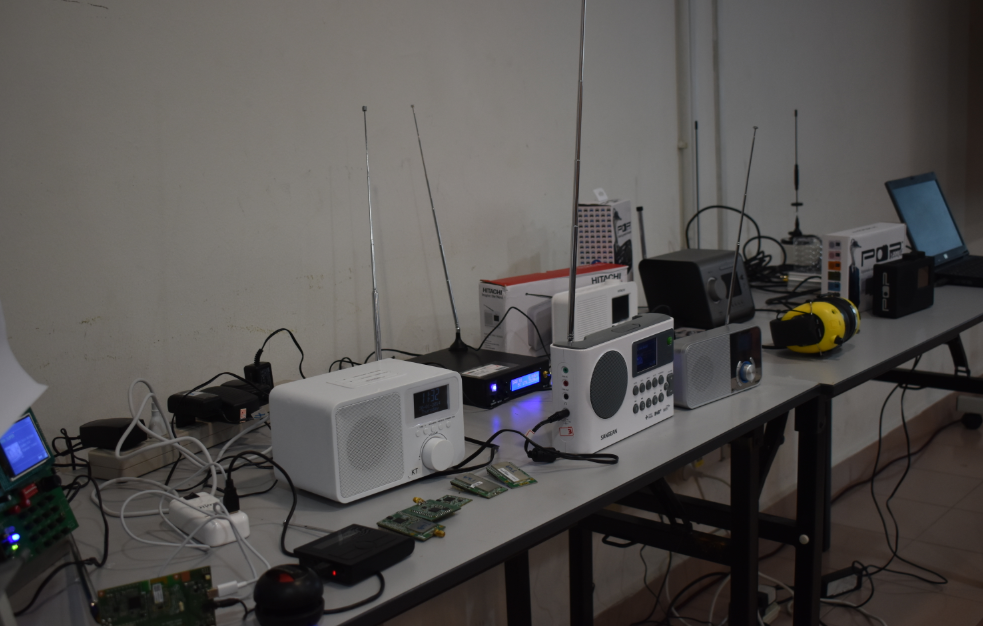
In today’s global market, over 75 million DAB, DAB+ and DMB devices have been sold to consumers, and this market continues to grow as the technology becomes more established. Digital radio receivers are available for domestic use and on-the-move, while an increasing number of receivers are being developed to satisfy the demand for in car listening. The manufacturing of digital radios has significantly developed over time both visually and functionally. On the second day Mr Sohan Karunaratne from Aqipa Australia Pte Ltd talked about Aqipa-Pure receivers. He mentioned that, as the pioneers of digital radio and the first to fully embrace the technology in 1999, Pure has become the world’s leading digital radio manufacturer, with over 5 million sold worldwide. Mr Sohan showed and described various models of Pure manufactured DAB receivers in the categories of portable,personal,bedside,in-car models. Michael Chen of Keystone Semiconductors, Taiwan took a session on digital Radio receivers as well, wherein he described about receiver construction, receiver modules and provided overview of the company products on receivers.
Mr Anupon Tajawanno, Regional Sales Manager, Paneda Tech AB, Thailand in his session spoke about DAB+ Field trial and DAB+ roll out in Thailand. He mentioned that the Paneda group is active in the area of Digital Radio (DAB+), with its main focus on applications for safety systems in tunnels and buildings. Paneda has developed a complete “break-in system”, where it is possible to interrupt the ongoing broadcast signal and replace this with an emergency message.
Mr Jason Mak from Gates Air explained what makes DAB+ environmentally friendly, where he discussed about power consumption and efficiency, space and environment, capital and operating cost and comparisons with FM and DRM+. He also talked about low power VHF radio products and components.
Mr Yahya Khaled, ATDI South Pacific Pt Ltd., Australia discussed on RF Planning software tool developed by the company. ATDI develops, supplies and supports a comprehensive set of software tools for the planning, modelling and regulation of radio communications services. Mr Khaled explained in details on ATDI’s network planning and modelling tools considering terrain and associated clutter, supported by the very latest propagation tools. He demonstrated effects of changing various planning parameters taking the DAB+ planning examples.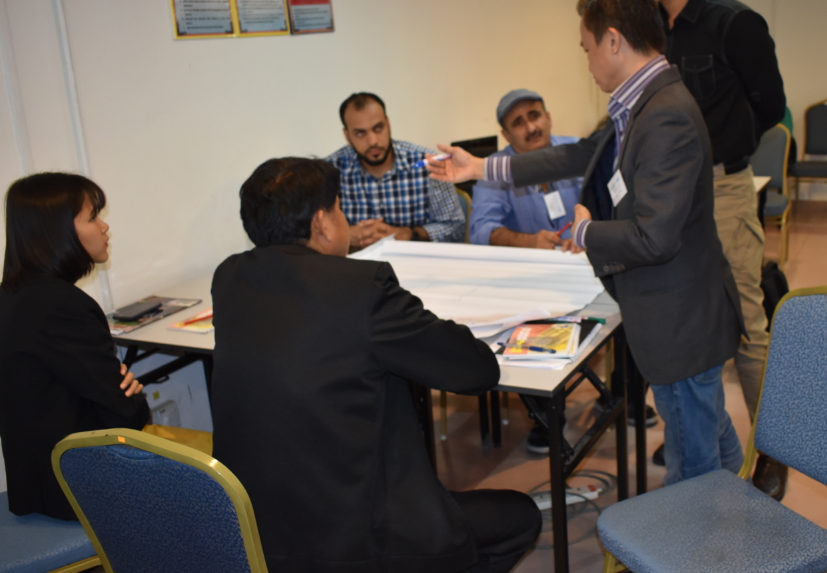
Dr Les arranged a Hand on Exercise for the participants for planning of Digital radio network. Participants were divided into groups having 5-6 in each group. Discussions held on how to plan, design and implement a digital radio network. Three groups worked over the days in specified slots and presented their respective group’s work on the concluding day.
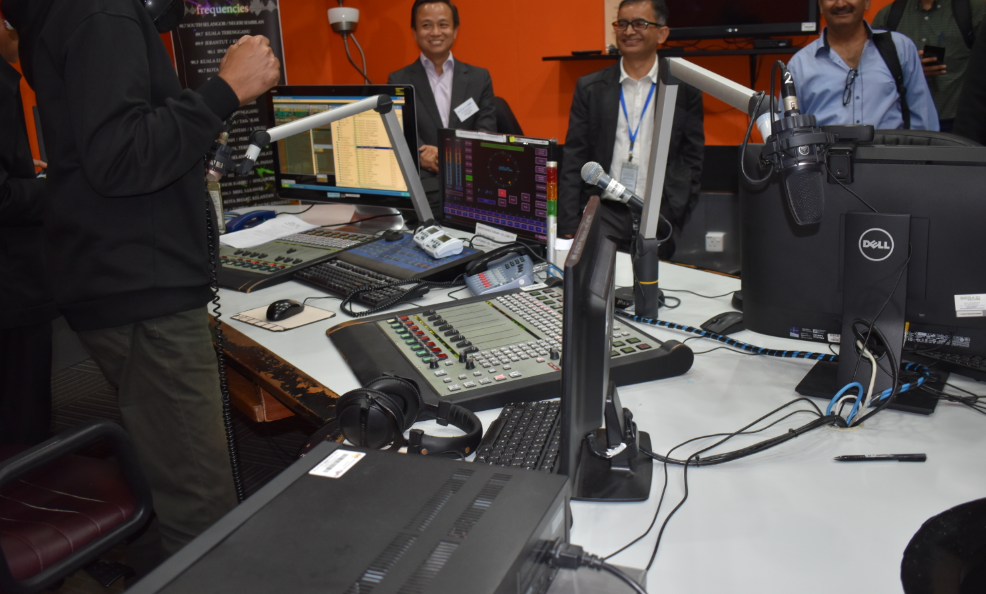
Participants joined a half-day field visit to Radio Television Malaysia (RTM) Radio studio facilities. The Engineer(s) at RTM demonstrated and explained to participants about FM Radio studios at Wisma Radio Complex. Participants fairly got information about FM and Digital Radio facilities at RTM.
]]>
The emerging trend of high resolution display has led to the development of Ultra High Definition (UHD) also referred to as 4K televisions. UHD displays exhibit 4K resolution and are called as 4K panels. 4K means 4,000 pixels in various digital formats mainly used for the purpose of shooting motion pictures. As their names imply, 4K UHD has a considerably higher resolution than 1080P HD video. 4K resolution is exactly 3840 x 2160 pixels, whilst 1080P consists of 1920 x 1080 pixels. This massive difference brings about some important advantages for 4K when one compares it to the quality of a 1080P video.
Ultra High Definition Technologies for television are rapidly developing. Compared with existing high definition and standard definition television systems, UHD-1 or loosely known in television industry as 4K is advancement in technology that offers better viewing experience. More technical or appropriate term in television industry would be first generation Ultra High Definition television. The technical parameters of UHD-1 systems include higher image resolution, higher image frame rate (HFR), higher image dynamic range (HDR), wider color gamut (WCG), and advanced sound system technologies. The intent of a combination of all these enhanced parameters is to provide a more “immersive” and better experience for the viewer. Some broadcasters and producers of high value programs are already taking advantage of the latest “UHD” equipment in the market.
In view of the development that are taking place in 4K UHD Television arena, AIBD in collaboration with M/S ADINNO conducted one day pre-summit workshop on “Trends in 4K Technology” on 11 June, 2019 at Siem reap, Kingdom of Cambodia. The workshop highlighted the production and distribution of 4K content and how the image quality is enhanced with UHD cameras and production equipment. Dr Amal Punchihewa, Distinguished Lecturer of IEEE Broadcast Technology Society and Mr Gordon Gu, CEO of ADINNO were the expert consultants. The experts talked on technical parameters of UHD, including UHD-1 and UHD-2, end to end solution for UHD content, production, distribution, streaming and/or broadcasting and display devices.
On the first session ‘UHD Demystified’ Dr Amal introduced UHD Television to the participants with various standard, parameters, their impact on picture quality etc. Concepts of user experience (UX) and Quality of Experience (QoE) were explained to them in relation to end to end media value chain. He told 5G and 8K are two next-generation technologies that are pushing forward the envelope of innovation for video experiences. In the near future, 5G is expected to play a role in the delivery of mobile video content. Possibility of delivering live, catch-up TV and VOD content in pristine 8K to TVs and mobile devices using 5G networks.
Dr Amal briefed about High Dynamic Range (HDR) and Standard Dynamic Range (SDR), Influence of HDR on capture and display and HDR eco system as a whole. He discussed UHD-1 delivery of DVB-T2 and ATSC 3.0 systems and also satellite for UHD-1 delivery. Before the practical demos in subsequent sessions the basics of UHD 4K was well elaborated.
The subsequent sessions of the day was covered by ADINNO expert Mr Gordon Gu along with his colleague Mr ChaoJun Du with the theme “New Opportunity – New Media & 4K/8K-4K Universe UHD channel cover European market and more”. ADINNO Inc, located in Beijing, Shanghai, Bay area USA, is the leading 4K/HD end to end solution provider to worldwide Mobile/Fixed operators & Cable TV/ IPTV etc. offering 4K UHD based Contents and Production and OTT/ IPTV platform.
Mr Gordon talked about 4K UHD HDR and SDR and HFR/WCG citing that the technical parameters of UHD systems include higher image resolution, higher image frame rate (HFR), higher image dynamic range (HDR), wider colour gamut (WCG), and advanced sound system technologies. The intent of a combination of all these enhanced parameters is to provide a more “immersive” and better experience for the viewer. Mr Gu covered the following area elaborately.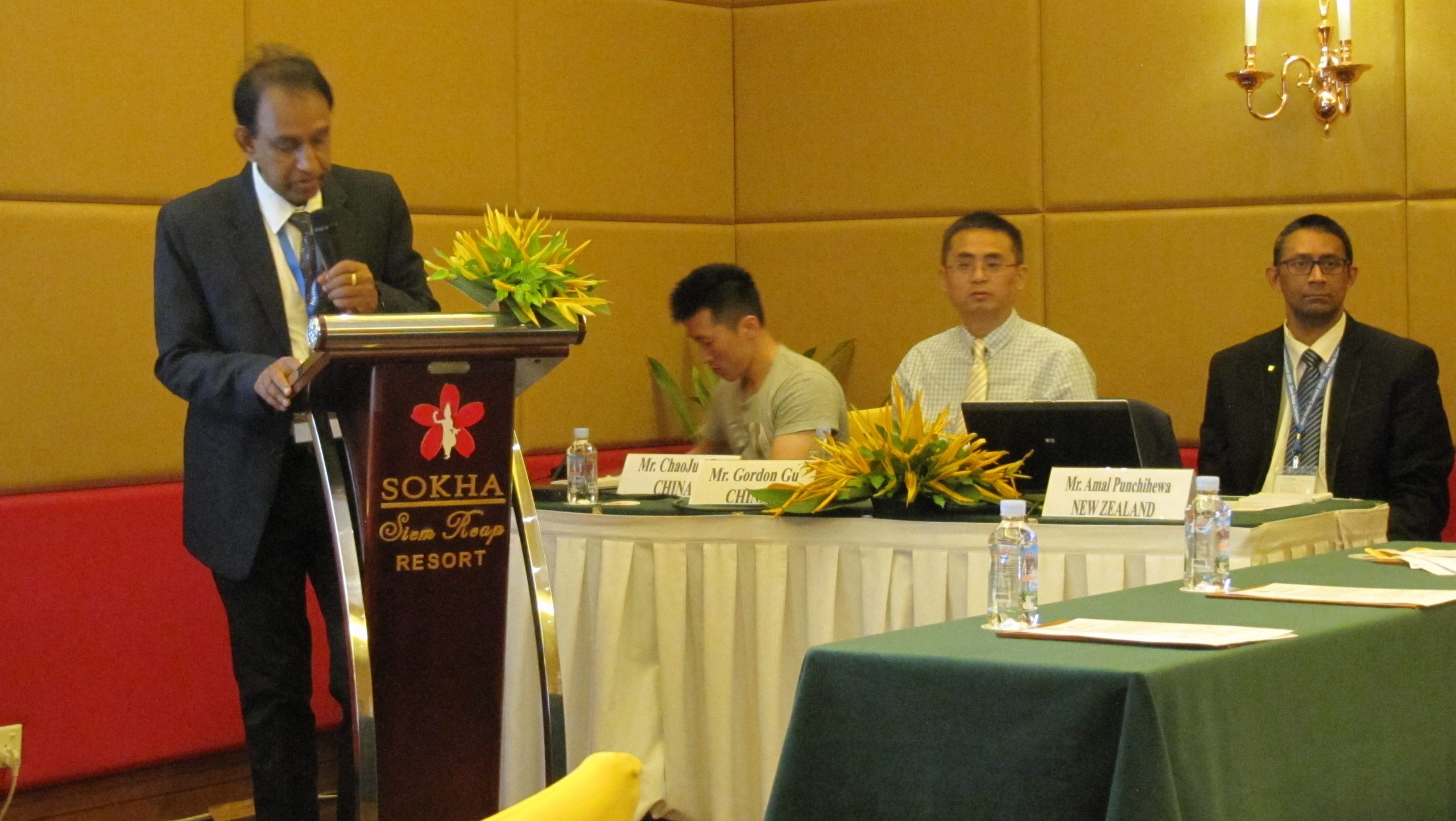
4K Contents: One of ADINNO’s investment portfolio-4KUniverse Inc. is the first one offering 4K 7x24H channel in USA with Holleywood 4K UHD video/film, Partners with SES/ Amazon Fire TV/ European Swisscom,etc.
4K Production: The 4K based live production solution include the economic live 4K OBVAN, All-in-one IP production system, etc.
4K OTT/ IPTV: The 4K SEEI.TV offers the OTT/IPTV Combined total solution, including OTT/IPTV cloud, Intelligent CDN design and deployment, APP/H5/Player for end user’s Mobile phone/ PC/ laptop/ STB-smart TV/ Smart projector application, supporting Broadcast Matrix (TV Station, Cinema, Radio, Internet Video Web, such as Facebook Youtube etc).
For the better understanding and visualization of 4K studio and 8K studio production, Demos were set up in the classroom and experts explained every element in details benefiting the participants. Twenty one participants from 10 countries Cambodia, India, Laos, Malaysia, Maldives, Mozambique, Nepal, Srilanka, Vietnam and Thailand attended the workshop. Overall satisfaction level of the participants were very high as per feedback received.
]]>