Since inception in 2005, there are eight (8) CMCs in the whole country of Korea with two (2) more to be established by 2020. CMF hopes to establish a total of 17 Centers in all of the local provinces in the near future.
In response to the ongoing COVID-19 situation and information dissemination efforts of media, Asia-Pacific Institute for Broadcasting Development (AIBD), organised a half-day In-Country Seminar on ‘Reporting on Health Crisis: Training Journalists for Emergencies and Outbreaks’ today. The Seminar was organised with support from World Health Organisation (WHO), National Institute of Health (NIH), National Institute of Occupational Safety and Health (NIOSH) and Asian Disaster Preparedness Center (ADPC).
Forty-five participants from 18 organisations attended the Seminar, which aimed to help the journalists and content creators gain deeper knowledge on the COVID-19 and explore methods on how to report on health issue to ensure greater public awareness.
There were five speakers highlighting different areas of focus within health crisis reporting. Dr. Cory Couillard, Consultant with WHO gave presentation on the current situation and emphasised the role of media on public health and risk perception.
Ms Khairulnissa Abdul Kadir, Health Education Officer at National Institute of Health (NIH) elaborated upon the public behavioural aspect and importance of disseminating accurate information at the correct time.
The third speaker of the event, Dr Yvonette Duque, Senior Public Health Specialist at Asian Disaster Preparedness Center (ADPC), Thailand gave an overview of the standard of procedure for Disaster Risk Preparedness from an international perspective, and Ms Ruzita binti Mohd Shariff, Technical Expert with Department of Education and Training at National Institute of Occupational Safety and Health (NIOSH), Malaysia, gave presentation on the key factors to ensure safety and health for journalists during crisis reporting.
The final speaker was Assoc. Prof. Dato Dr. S. Vellayan, consultant avian, exotic reptile, wildlife and veterinarian, gave brief presentation on the importance of research and history of pathogens while reporting.
An interactive session focusing on filtering information and avoiding sensationalizing during health reporting was also conducted after the seminar. The session was conducted by Dr Couillard.
]]>Korea strives to realize the common vision of “mutual development through media” by exchanging suitable broadcasting content, resources and personnel with member countries in the Asian countries.
Standing Commissioner of the Korea Communications Commission (KCC), Mr Heo Wuk said Media Literacy is a vital skill in the 21st century, and it represents viewers’ rights and interests. As such, the KCC expressed its hope that model examples of the Community Media Centers (CMC) would expand across Asia and lead to more mutual cooperation.
Managed by Community Media Foundation (CMF), CMC is the on-site organisation for the viewers to participate in broadcasting and improve media literacy for the general public. It serves as a new cultural playground for the 21st Century and a gateway to the world. The success of CMC required sustained effort and interest from the administrative and policy arms of the government, in addition to personnel on the ground.
He added that a citizen in a democratic society should be able to access and critically analyze various sources of information, express his or her opinion through social media, listen to the opinions of others and participate in dialogue.
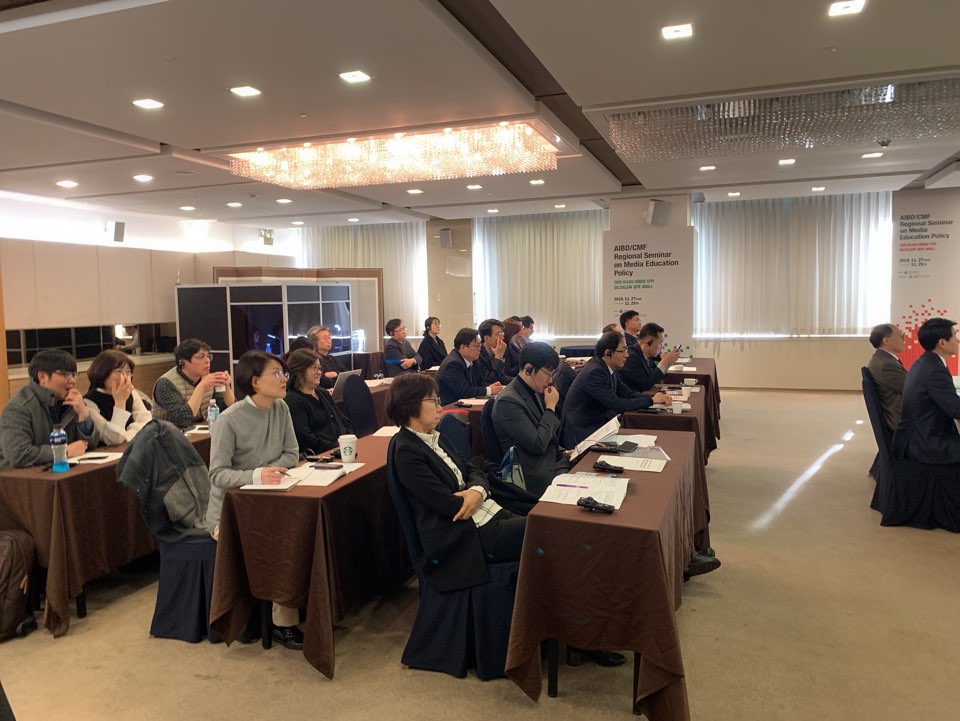
Mr Wuk was making a welcoming remarks at the AIBD/CMF Regional Seminar on Media Education Policy from 27-29 November 2019 in Seoul, Korea. Seven foreign participants representing respective Information Ministries and broadcasting organisation from Bhutan, Cambodia, Malaysia, Myanmar, Papua New Guinea, the Philippines and Vietnam attended the seminar.

Media can both be an arbiter and a motivator for peace. This was the key message of Ms Philomena Gnanapragasam, the Director of Asia-Pacific Institute for Broadcasting Development (AIBD), at the International Conference on Inter-Korean Broadcasting and Communications 2019 held on 25th October in Seoul, Korea. Speaking to over 250 delegates she stressed on the need for media to do more to connect peoples across borders.
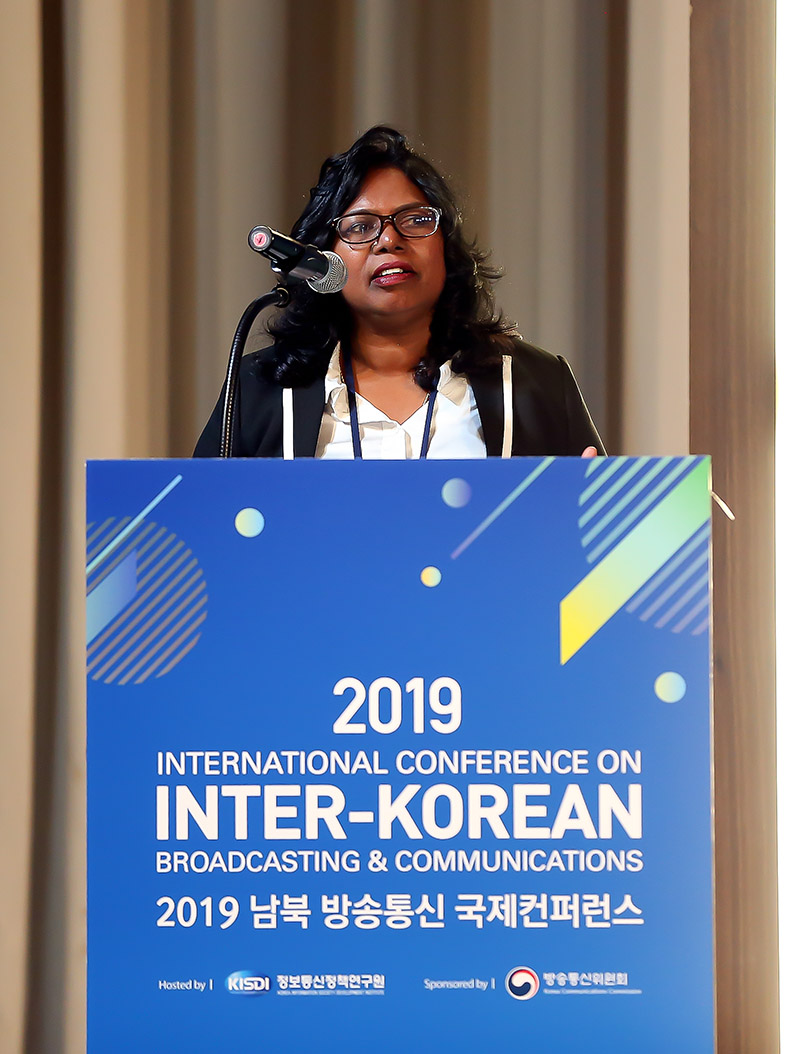
Sharing her own experiences during the unification of east and west Germany, she said media played a big role in bringing the countries together as one. “I was there in Germany when the unification happened. Much of the credit must go to the media as they constantly reported on people’s plight, their issues and concerns,” she added.
On the role of AIBD, besides building cohesive electronic media environment in the region and beyond, she said the Institute plays a critical role in bringing together media professionals, providing the platform to share ideas and knowledge. “Initiatives like these build partnerships across regions and thereby promote peace and development.”
Ms Ganapragasam highlighted some of the major activities of AIBD, like the Asia Media Summits, the General Conference and other regional training programmes and partnerships. “We have members from ASEAN, Pacific, Africa, West Asia and SAARC countries. We bring governments together to discuss common issues and challenges. It promotes inter-governmental cooperation,” she added. AIBD as a neutral body can play a prominent role in fostering bilateral ties.

Digitization of archives remains a key area of interest for broadcasters as many years of ‘heritage’ content are under threat of being completely lost due to adverse affects of long-term degradation of analogue formats and magnetic media. With new and advanced technologies currently available these important archives can now be converted to digital formats and stored in easily accessible digital libraries that are more robust. The process of digitisation also helps in easy management when organised around a Media Asset Management (MAM) system which improves efficiency in managing the growing content repository and provide better workflow capabilities. Also it helps in creating new revenue streams through content sharing.
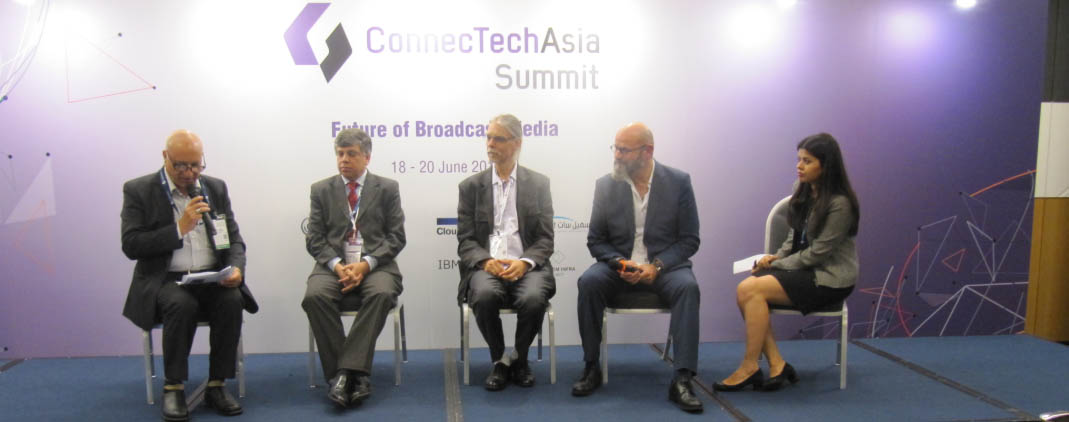
Asia Pacific Institute for Broadcasting Development (AIBD) & Asia Pacific Broadcasting Union (ABU) in collaboration organized a seminar on “Management and Digitisation of Audio Video Archives”. The event was supported by Informa/UBM Singapore and conducted during BroadcastAsia-2019 on 18 June 2019, at Suntec Singapore. The seminar addressed steps necessary towards digitalisation of audiovisual archives, beginning with ways to further extend the life of existing analogue tapes to choosing the appropriate technology, metadata schemas and storage requirements and options. It also looked into implementation of MAM systems, its benefits in content management and workflow. Several Industry leaders in the area of archiving from the region presented and shared their experiences in this challenging and mission critical process.
Moderator Mr. Sharad Sadhu, Media Specialist started the session by providing an overview on ecosystem of archival, need of archiving of content and related activity. Archives have always created descriptive tools to identify and locate documents, as well as to arrange and classify them according to their origin, their functions, their type or their thematic content. The first speaker Mr Aale Raza, Managing Director of Whiteways System presented on Preservation Techniques and management of existing archives. Whiteways design, supply, install, commission the system for restoration (physical & digital), digitisation, archiving and software management of video content owned by the customer. Mr Raza explained about current Whiteways project where an organisation wants to digitize large quantities of audio / video assets. He shared this case study as an example on the steps on how to set up an archival system and manage it. He explained all the steps in managing audio-video archives and also touched upon Digital Right Management (DRM).
Dr.Marc M. Batschkus, Business Development Manager, Archiware talked on topic of Digital Solutions for Preservation and Building a Modern Archiving Systems. He said archive needs support from the organisation, people and processes. The purpose of archive is to free up space on production storage, preserve media and productions for long-time enrich with METADATA. He told that the METADATA are the Key to the archive. He briefed about technical METADATA (e.g. camera, resolution, lens); descriptive METADATA (e.g. description, actors, location) and individual METADATA Schema.
Ms Punam Sharrma, Director of Mediaguru, Singapore presented two success stories her company accomplished in digitizing archives. First project was offered by Government Agency in Middle East in January 2014 which was completed by Mediaguru in five months. The project of Qatar Television: Digitizing Archives for State Broadcaster was one of the largest digitization facility spread across 100,000 square feet enabling ease of access to legacy content having 50+ 2” players, 1”players, U-Matic, DigiBeta, VHS, HDCam, film scanners, cleaners etc. It was digitizing over 100,000 hours of legacy content by providing on-site solution and management of digitizing archive content. On to the next success story of digitizing archives for Rwanda Broadcasting Agency (RBA), Ms Punam told that digital conversion, indexing, cataloguing and management of over 75 thousand hours of audio-visual content was done for RBA and the organisation is planning to establish their VOD platform to distribute all digitized and restored content to the audience.
The moderator conducted a panel discussion with all the speakers on floor and addressed large number of issues on the subject matter and also all the queries raised by the delegates were responded by the panelists satisfactorily. Preserving the string of bits is not the same thing as preserving the audiovisual content since, for the latter, it also requires the technology that allows the data to be interpreted i.e. a computer and software able to convert this string of bits into images and sound. Digital preservation also includes the preservation of the context information, i.e. all the information related to the circumstances of the document’s creation: its authorship, origin, date of creation, etc. Thus digitizing audio-visuals and managing them is very important for preserving our time. The seminar provided useful information to the participants who were in attendance in conjunction with Broadcast Asia.
]]>The development of digital radio has led to improved spectrum efficiency, more channel capacity, or a combination of these benefits. Digital compression techniques used in audio systems have improved sound quality at low bit rates to the extent that radio broadcasts can be made on location and then transmitted to the broadcaster’s production studios over telephone circuits in high quality. Ideally, to reach the widest range of listeners, a digital radio system should be capable of being transmitted via terrestrial, satellite and cable systems. The eventual transition from analogue to digital for all communications systems including radio is inevitable and will happen in time. The decision for managers today is to find the best balance in timescale for the public interest for their environment. The timescale for the analogue to digital transition for radio is not the only complex decision that needs to be made today. Unlike the situation for analogue radio, common worldwide standards for digital radio have not been possible in our more complex world. A number of different systems have emerged, each with their own environments and proponents. Broadcasters and regulators need to evaluate the alternative systems and decide which is the optimum system for their environment.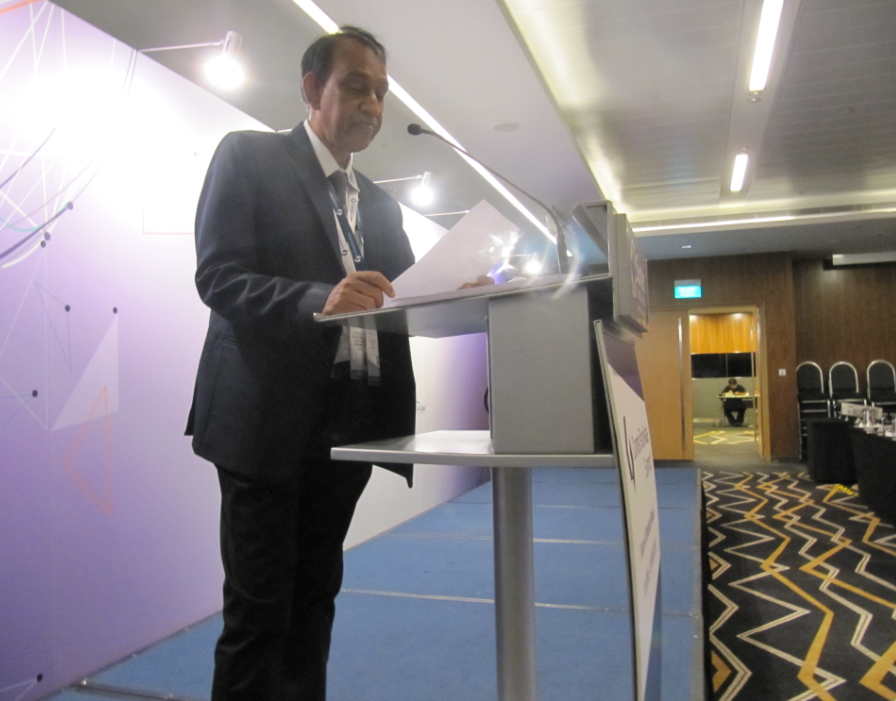
Asia Pacific Institute for Broadcasting Development (AIBD) conducted Seminar on Digital Radio Implementation and Transition Strategy in collaboration with Asia Pacific Broadcasting Union (ABU) and supported by Informa/UBM Singapore during BroadcastAsia-2019 on 18 June 2019, at Suntec Singapore. The primary objectives of the event was to understand technology of Digital Radio Standards; Trends and Strategies being adopted for transition to Digital Radio Broadcasting all over the world; Share case study and experiences on transition from analogue to digital broadcasting; Build skills on smooth transition from Analogue to Digital Radio broadcasting. For providing equal opportunities to two competing standards such as DAB+ Digital Radio and DRM Digital Radio, experts from both consortium were invited to discuss the respective digital radio systems and implementation. The first 90 minutes of the seminar was allocated for the DAB speakers where four experts in the technology talked on DAB/DAB+ Digital Radio. Another 90 minutes of the session was for DRM and three experts discussed the DRM digital radio.
The DAB/DAB+/DMB family of standards is the most globally widespread digital radio broadcasting platform, offering radio broadcasters significant cost advantages and offering regulators considerable spectrum efficiencies over analogue and other digital systems. It was originally planned for implementation in two spectrum bands: VHF Band III and L Band, although the use of L Band has now been deprecated.
DRM is a digital radio standard for the existing radio broadcast bands (as deployed for analogue AM and FM radio). It supports both local/regional coverage scenarios, as well as large-area and international transmissions. DRM focuses on digitizing and enhancing radio services and transmissions of individual broadcasters. The DRM system encompasses a high level of flexibility in its design. The DRM standard has two main configurations, depending on the frequency of transmission. “DRM30” is the term applied when the frequency is below 30 MHz (the traditional AM bands). “DRM+” is the term applied when the frequency is in the VHF bands, that is between 30 MHz and 300 MHz. DRM30 can be used in either 9 or 10 kHz channels, and also provides high capacity modes using double channel bandwidths. DRM+ is used in 100 kHz channels. Therefore DRM can operate in the existing channel assignments defined in the past for analogue transmissions.
The first speaker in DAB session Mr. Lindsay Cornell, Principal System Architect, BBC talked about Global DAB+ digital radio status. He said 41 countries with DAB services on-air, 500 million people receive DAB signal and over 75 million DAB receivers sold. He also touched upon DAB+ enhance metadata, data applications, emergency features of DAB, multiplexing, system design and coverage of DAB services.
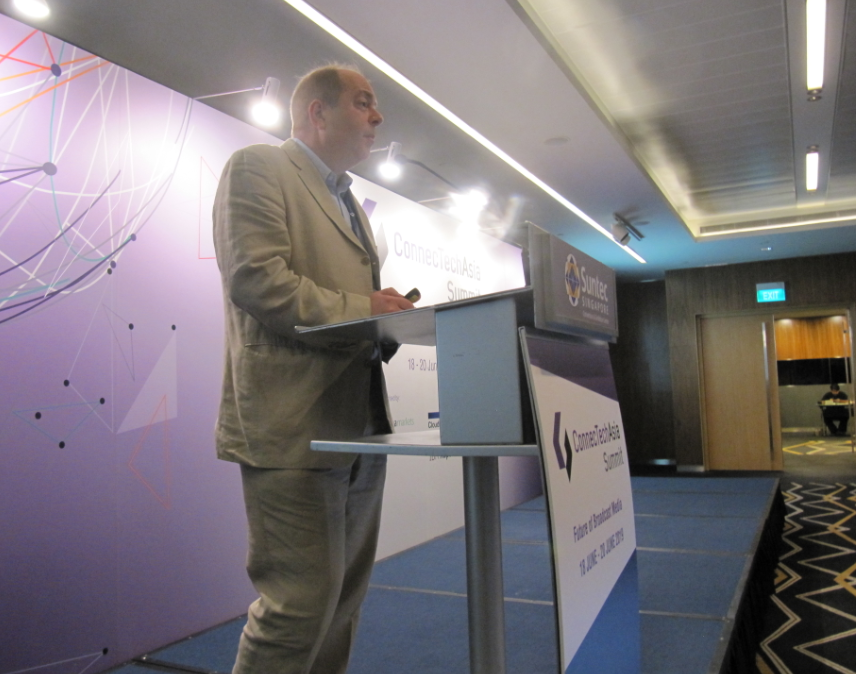
Mr. Rich Redmond, President-Managing Director-International of Gates Air in his presentation discussed Economic & Environmental Benefits of DAB+. He showed the differences between DAB+, DRM+ & FM transmission on various parameters like frequency, tranmit power, programme per channel, modulation schemes etc. Mr Redmond also elaborated on cost comparison of various radio network topologies and new advanced technology impacts on network deployment costs.
Dr.Pakdee Manaves, Asst. Professor & Deputy Secretary-General of Broadcasting of the Office of NBTC presented DAB+ Digital Radio Implementation in Thailand. He told that as per NBTC survey result on radio service accessibility and user behavior in 2016, 46% of Thai people still listen to the radio on terrestrial platform, and more that 50% listen to radio and kitchen radio. Listening time more than 600 min per week and 35% of Thai people listen to radio at home and in car. And most popular radio contents are song, information and news, and also traffic report. Regarding to Thailand broadcasting master plan and Digital Economy and Society Development plan Thailand have to deliver digital radio broadcasting services.
Ms. Kathryn S Brown, Head of Strategic Development, Commercial Radio Australia (CRA) presented WorldDAB Australian case Studies of DAB/DAB+ Digital Radio Implementation. She told that CRA coordinated various aspects of DAB+ roll out for industry such as Technology standards review and DAB+ development; Policy settings & legislation; Network design, procurement and implementation; Commercialisation – automotive, retail, receiver manufacturers; Marketing and PR; Regional roll out planning and channel allotments with regulator.
In the second 90 minutes session of the seminar, DRM experts representing Fraunhofer IIS, and DRM Consortium struck a balance in their presentations between the theoretical aspects of the standard and the practical experience and lessons learned in many countries of the globe and shared case studies and experiences in transition from analogue to digital radio from the region and beyond. Mr Alexander Zink Vice-Chair DRM Consortium; Senior Business Development Manager, Fraunhofer IIS presented Key Benefits and Features of DRM and its implementation steps for a successful DRM roll-out in both VHF and AM bands. He provided Technology Updates of DRM Digital Radio, DRM Digital Radio Specifications for AM and bands I, II (FM) and III, Features and Benefits, Network Design & Emergency Warning Functionality (EWF).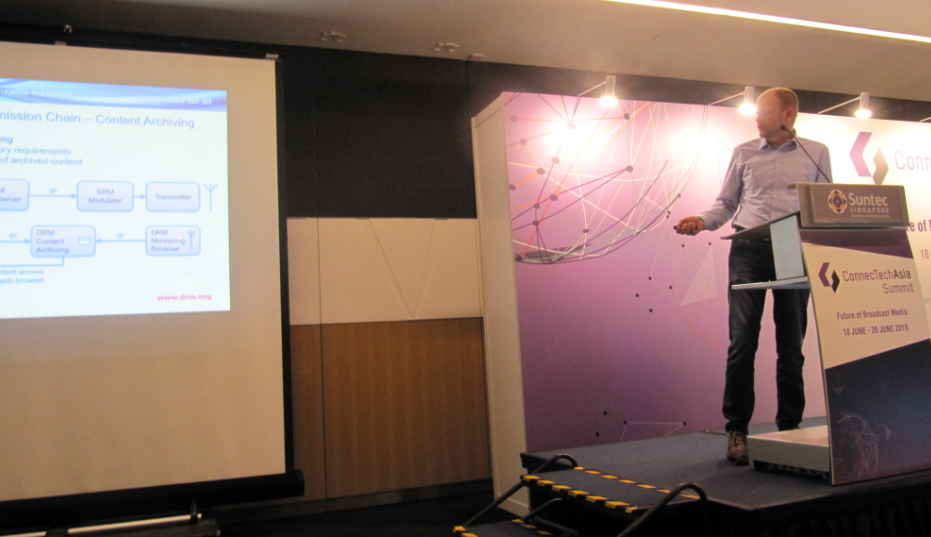
Dr. Albert Waal Head of Hardware Development, RFmondial DRM – Implementation Steps Financial Considerations. He discussed implementation of DRM in the FM band and upgradation of existing FM transmitter to DRM transmitter and detailed about the migration costs for doing so. Mr Albert DRM Field Trials & Case Studies for local DRM Services done in Johannesburg, South Africa; DRM Trial (in FM band) – Edinburgh, UK & DRM Local Coverage Trial by RRI, Indonesia in 2017 at Batam Indonesia – FM Transmitter Site.
Mr. Sharad Sadhu, Digital Radio Consultant presented DRM Digital Radio Implementation in general and Case study of India in particular besides speaking about DRM receivers. He mentioned that Public Service Broadcaster All India Radio (AIR) has got 675 Transmitters with break up of 138 MW, 48 SW and 489 FM transmitters,. Domestic coverage by pollution is 98.4% for MW, 52% for FM. He told that AIR DRM implementation is one of the largest digital radio deployment in the world having 39 DRM transmitters covering 0.5 billion people across the country.
Mr Sadhu also touched upon the RRI DRM trial in Bali Indonesia and mentioned that Radio Republik Indonesia announced in March 2019, at the DRM GA that it will acquire two DRM mediumwave transmitters for populated areas of Indonesia and two other transmitters to be used for emergency warning in west Sumatra and west Java. Sharad then discussed the status of DRM receivers and deployment as stand alone, in cars, desktop receivers and other receiver solutions. He mentioned that Over 1.5 million cars with DRM receivers are on the road in India and car manufacturers such as Mahindra, Hyhundai, Maruti, Suzuki are installing DRM receivers or have plans to install it in various models of car manufacturers.
]]>AIBD Team comprising Mr Chang Jin Director, Mr. J.S. Bae Special Advisory Officer, Mr. Utpal Kanti Mandal Programme Manager- Broadcast Engineer and Ms. Fathimath Leeza Programme Manager participated in the 55th ABU General Assembly and Associated Meetings in Ashgabat, Turkmenistan from 30 September to 5 October 2018.
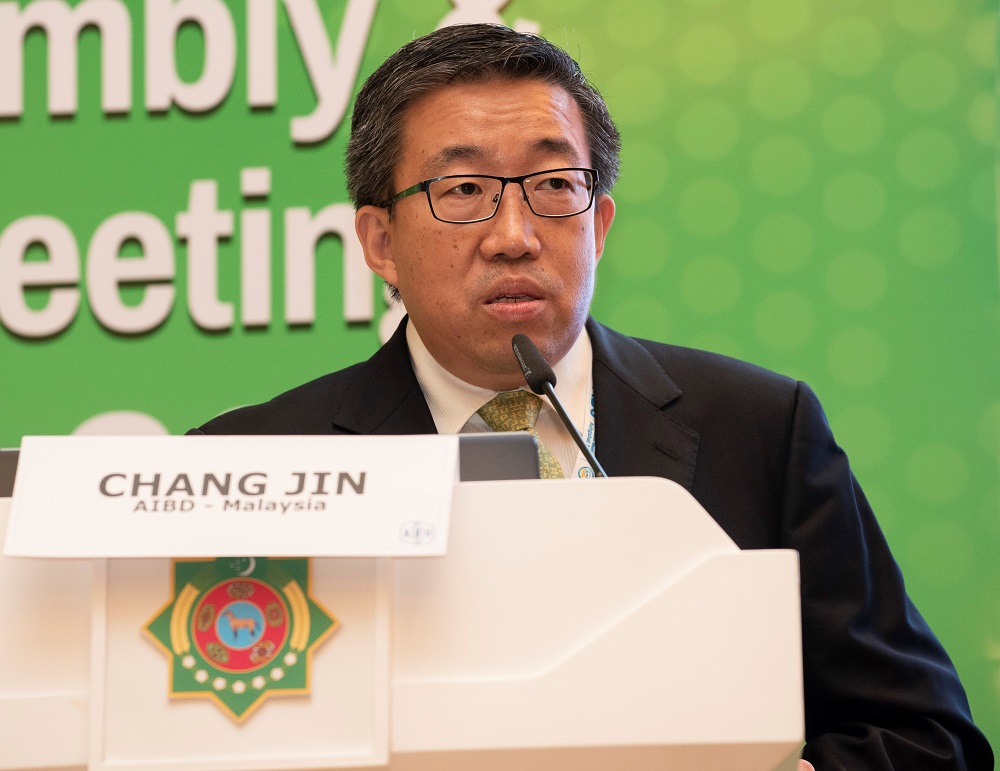
Director of AIBD Mr Chang Jin attended the 55th General Assembly of the ABU and delivered a presentation Asia-Pacific Media Trends: AIBD Perspective during its Programme Committee. He showed to delegates the 31 workshops conducted by AIBD from October 2017 to September 2018, the Developmental Needs of 22 topics submitted by 23 member organisations from 16 countries, the successful 15th Asia Media Summit with the theme ‘Telling Our Stories – Asia and More’ held in New Delhi in May, and the AIBD Annual Media Research (AAMR) 2018 – Storytelling in Media. He highlighted AIBD’s founding membership of the UN SDG Media Compact, launched at the UN Headquarters in New York on 23 September, and the successful IPDC Talks 2018 @ Kuala Lumpur – Benefits and Challenges of Access to Information in Malaysia which was held on 24 September in the P Ramlee Hall of Radio Television Malaysia (RTM). He also invited delegates to look to the AIBD/CMF Regional Seminar on Community Media Centre (November 6-8, 2018) to be held in the Republic of Korea, promoting the Korean experience of empowering citizens with media literacy and capability.
Mr Chang took the opportunity to meet with Madame Bahargul Abdujeva, Deputy Prime Minister for Culture and Mass Communications of Turkmenistan, the special guest for the opening ceremony of the ABU GA. On the sidelines of the GA, Chang Jin had a discussion with Mr Garlyyev Nurmammet Allaberdiyevich, Chair of the State Committee of Turkmenistan for Television, Radiobroadcasting and Cinematography. Two of them exchanged views on potential cooperation between AIBD and Turkmenistan.
AIBD Programme Manager- Broadcast Engineer Mr Utpal Kanti Mandal attended the Technical Committee meetings on 1st and 2nd October 2018. On first day ABU appointed him Rapporteur for the sessions “Future Strategies” during 14:00-15:30 hrs and “Members’ Present – Digital Implementation and Migration” during 16:00-17:30 hrs. The Future strategy session was chaired by Dr Kong Bin, Vice Chairman, ABU TC and Senior Engineer, Academy of Broadcasting Planning, SAPPRFT, PRC. Mr Aale Raza, Director, Whiteways Systems-Singapore talked about the coming revolution in Virtual set/AR/VR production with the real-time 3D gaming engines. Mr Kenichi Murayama, Senior Manager, Planning & Management Division, Engineering Administration Department, NHK-Japan detailed about 4K/8K Broadcasting in Japan. Dr Mei Jianping, Director of Engineering Management Department, Technology, Management Center, CCTV presented the Technology Plan of recently launched CCTV UHD Television Transmission in China. Mr Evghenii Sestacov of ITU discussed the ITU BR assistance process in improvement of spectrum usage for DTTB. Mr Charles W Kelly Jr, Regional Sales Manager Asia/Pacific, Nautel-Canada presented the Evolution, success and continuity of Radio in various forms. The Members’ Present session was chaired by Mr Hamid Nayeri, Director, International Technical Affairs IRIB Iran and Chairman ABU TC. Mr Kachan Kannika, Director, Engineering Support and Development Bureau, NBT Thailand Provided the Digital Switchover status in Thailand. Mr Nguyen Duc Tue, Deputy Director, Technical Centre, VTV-Vietnam VTV talked about Digital Migration: Implementation and Roadmap in Vietnam. Ms HONG, Young-Kyung (Augustine), Senior Manager, Technology Management and ABU Technical Liaison Officer, KBS-Korea talked on topic ‘Looking back at the Digital Transition and Looking Forward to the New Era, UHD’. Mr Sunil, Additional Director-General, Doordarshan-India and Vice Chairman ABU TC provided details on DDI achievements and the way forward for the National Broadcaster of India.
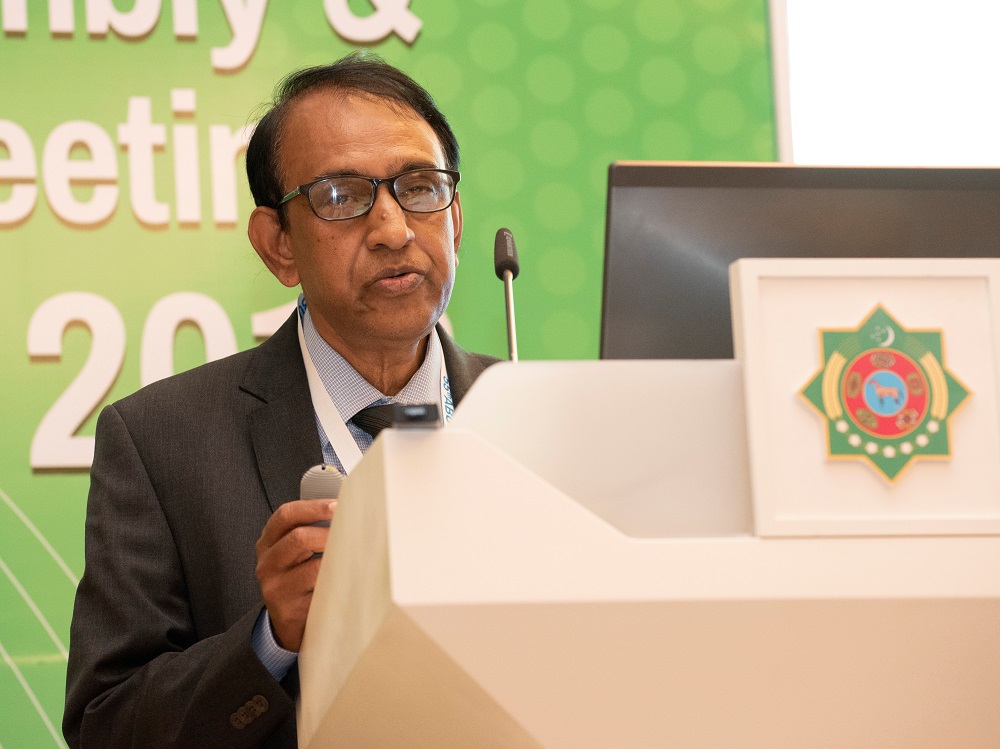
At the Technical Committee meeting on 02 October 2018 Utpal presented AIBD’s report on the “Useful to Know” session, where he talked about AIBD and its collaboration with ABU. He provided the details of all the technical workshops that have been conducted during July 2017 to September 2018 and mentioned about the forthcoming technical activities in current year. He brought to the knowledge of TC delegates about the successful AMS 2018 held in New Delhi India in May 2018. He urged broadcasters to join and support AIBD in its efforts to build capacity of its members. More than 150 delegates representing broadcasters, media experts and professionals within the region and others around the world attended the meeting. Mr Mandal closely interacted with the speakers of all technical sessions and other delegates from ITU, DVB, IRIB, NRTA, BTV, DDI, BBS and others in search of further AIBD collaborations for future AIBD activities.
]]>
The IPDC Talks is an initiative of UNESCO’s International Programme for the Development of Communication (IPDC). The IPDC the only intergovernmental forum within the UN system designed to mobilize the international community to discuss and promote media development and access to information around the world.
Asia-Pacific Institute for Broadcasting Development (AIBD) collaborated with UNESCO and RTM to organize the IPDC Talks 2018 @ Kuala Lumpur with the theme – Benefits and Challenges of Access to Information in Malaysia. This event was held on 24th September 2018 at Auditorium P.Ramlee, Angkasapuri, Kuala Lumpur, in conjunction with the International Day for Universal Access to Information (IDUAI) which falls on 28 September each year.
IDUAI itself or the Right To Know Day has particular relevance with the Sustainable Development Goals (SDG) target 16.10 which calls for ensuring public access to information and protection of fundamental freedoms.
The IPDC Talks ha set three core objectives:
-
To show that public access to information and ICTs, along with strengthening media institutions that help assure access is key to achieving the SDGs in their totality.
-
To encourage Member States to consider integrating free, independent and pluralistic media, as well as universal access to information and knowledge via ICTs, within their policies for implementing SDGs in a creative, accessible and innovative way.
-
To raise public awareness about the media’s important role in monitoring progress towards the SDGs and in holding governments accountable for their achievement, and seek support to strengthen media development and access to information initiatives in this direction, particularly in LDCs.
Partnership with AIBD and RTM
In 2018, UNESCO is collaborating with the Asia-Pacific Institute for Broadcasting Development (AIBD) and the national broadcaster, RTM to produce the “IPDC Talks 2018 @Kuala Lumpur”. This is the first time that the IPDC Talks is taking place in Malaysia.
AIBD is an inter-governmental organization founded by UNESCO in 1977, servicing countries of the United Nations Economic and Social Commission for Asia and the Pacific (UN-ESCAP) in the field of electronic media development. It is hosted by the Government of Malaysia and the secretariat is located in Kuala Lumpur.
The AIBD is mandated to achieve a vibrant and cohesive electronic media environment in the Asia-Pacific region through policy and resource development.
About Access to Information
Access to Information (ATI) can be defined as the right to access information held by public bodies. It is an integral part of the fundamental right of freedom of expression, recognized by all international standards including the Universal Declaration of Human Rights (UDHR) (1948), which states that the fundamental right of freedom of expression encompasses the freedom to “to seek, receive and impart information and ideas through any media and regardless of frontiers”.
More recently, the Sustainable Development Goals (SDGs) adopted in 2015 also recognize that access to information held by public bodies is a necessary enabling mechanism for public engagement across the all the goals and was specifically incorporated into Goal 16 to “promote peaceful and inclusive societies for sustainable development, provide access to justice for all and build effective, accountable and inclusive institutions at all levels”.
It is well documented that having strong and effective access to information has been vital in the fight against corruption and abuse of power. Additionally, there have been success stories of rural communities using ATI to improve access to water, improving participation of the indigenous community, using ATI to gain access to quality education for children, and using ATI improve women’s access to health care.
Globally, the trend is more and more nations are adopting Access To Information laws. As of 2018, a total of 113 countries have adopted legislative measures on access to information. Ten years ago, just under 80 countries have ATI laws.
Key Speakers:
-
H.E. Mr. Steven Sim Chee Keong (Malaysia)
-
Ms. Kishali Pinto-Jayawardena (Sri Lanka)
-
Mr. Amos Toh (Singapore)
-
Dr. Azmi Sharom (Malaysia)
-
Ms. Barbora Bukovska (Czech Republic)
-
Ms. Cynthia Gabriel (Malaysia)
Full event can be viewed at following link: https://www.youtube.com/watch?v=x3kWRotkaz4
]]>AIBD/KIBA In-Country Seminar on IPTV Strategy -27 February 2018,Kuala Lumpur, Malaysia

Internet Protocol Television (IPTV) is increasingly being popular around the globe. Millions of television viewers around the world are adopting the platform in an attempt to reclaim control of content and scheduling. The Fourth Industrial Revolution is set to bring a major transformation in technology and technological innovation that will fundamentally alter the way we live, work, and relate to one another. IP on broadcasting and IPTV will take a greater role in future delivery of contents in non-linear fashion very differently from traditional linear TV we are familiar with. Deliberation on IPTV strategy thus has got utmost importance for clear understanding and proper implementation of the technology.
In view of this, AIBD in collaboration with KIBA has organised one-day seminar on IPTV Strategy on 27 February 2018 in Kuala Lumpur, Malaysia.

The aim of the KIBA is to contribute to the development of digital media industries. KIBA takes an initiative on providing a platform for the innovative and integrated development of new media sectors.

The Korea IPTV Broadcaster’s Association (KIBA) has provided the experts for sharing the experience in implementing the IPTV in Korea. The Korean officials comprise the KIBA Secretary- General, General Manager, Policy Cooperation Department of KIBA, an expert from Korea Telecommunications (KT) and professors from a Inha University and Yonsei University in Korea. This seminar aimed to pool together strategists with Malaysian counterparts to enhance media development besides sharing the Korean IPTV knowhow. The main topics of discussion was Media convergence and technical development of Korea’s IPTV; 4th Industrial revolution and IPTV future Strategy besides history and change of Korean IPTV.

The seminar was attended by 24 participants from Radio Television Malaysia (RTM), IPPTAR, Media Prima, Astro and Telekom Malaysia.
]]>

Internet Protocol Television (IPTV) is increasingly becoming popular around the globe. Millions of television viewers around the world are adopting the platform in an attempt to reclaim control of content and scheduling. The Fourth Industrial Revolution is set to bring a major transformation in technology and technological innovation that will fundamentally alter the way we live, work, and relate to one another. IP on broadcasting and IPTV will take a greater role in future delivery of contents in non-linear fashion very differently from traditional linear TV we are familiar with. Deliberation on IPTV strategy thus has gotten utmost importance for clear understanding and proper implementation of the technology.
IPTV, the delivery of television content over Internet Protocol (IP) networks offers streaming of the source media (or programming channels) continuously while maintaining quality of service. IPTV combines television and high-speed Internet into one system through a set-top box. Television content is delivered through high speed broadband connection instead of the traditional ways of transmission.
It is considered to be the next generation of communication and entertainment which promises more interactive TV experience for the viewers such as Video on Demand (VoD), movie downloads, electronic bank transaction and TV commerce.
The Asia-Pacific Institute for Broadcasting Development (AIBD), in collaboration with the Korea IPTV Broadcasters Association (KIBA) organised a one-day In-Country seminar on “IPTV Strategy” on 27 February 2018, in Kuala Lumpur Malaysia.
The Korea IPTV Broadcaster’s Association (KIBA) provided the experts to share their experience in implementing the IPTV in Korea. The Korean officials included Mr Park In Seo, Secretary General KIBA; Mr Koh Heungseok, Team Director, KIBA; Prof. Ha Ju Yong, Inha University, Korea; and Prof. Mo Jeonghoon, Yonsei University, Korea.
This seminar incorporated strategists with Malaysian counterparts to enhance media development besides sharing the Korean IPTV knowhow. Ms Emily Wee, Vice President, Business & Media Operations New Media/Chief Executive Office, TM Net Sdn Bhd Malaysia and Dr Amal Punchihewa Director, Technology & Innovation, Asia Pacific Institute for Broadcasting Development (ABU), Malaysia, joined in the panel discussion with Korean experts. The main topics of discussion were media convergence and technological development of Korea’s IPTV, the 4th Industrial revolution and IPTV future strategy besides history and change of Korean IPTV.
In the introductory session Mr Koh Heungseo explained that the aim of the KIBA (Korea IPTV Broadcasting Association) is to contribute to the development of digital media industries. KIBA takes an initiative in providing a platform for the innovative and integrated development of new media sectors. The “Smart Media Center” will be a hub of the open smart society where people from all walks of life can communicate and discuss over the future of digital convergence.
Prof. Ha Ju Yong in his sessions talked about the past, present and future of the broadcasting scenario in Korea. Korean Broadcasting System (KBS), Munha Broadcasting System (MBC), Seoul Broadcasting System (SBS) and Educational Broadcasting System (EBS) are the four major Over-the-Air terrestrial television service providers in the country. Prof. Ju Yong discussed about the early history of IPTV in Korea, progress of IPTV in the country, TV programmes offered by Pay-TV services, and the major factors that drove the IPTV success with a special emphasis on subscription shares in the Pay-TV market. He has mentioned that the high speed internet has permeated all aspects of society and this widespread adoption of the internet in South Korea coupled with the continued pace of development has resulted in an exciting digital economy enhancing the IPTV implementation.
Prof. Mo Jeonhoon in his sessions extensively explained the technology aspects of IPTV, techniques of digital compression and codecs, multicast technology and zapping issues. He discussed Over-The-Top (OTT) technology in comparison with IPTV and key technical challenges for IPTV in the country. Prof. Mo also talked about disruptive technology and disruptive innovation model explaining the pace of technological progress.
]]>