The auditor remarked that the good cooperation and display of positive attitude by all the staff in maintaining the standards were a plus point for the organisation and the new director, and with proper documentation of the action plan when planning for its objectives and targets, could be amongst some great opportunities for improvement. Reviewing some procedures and the risk matrix with documented action plan would be useful tools for the top management to consider.
“We can’t create new law every time we have new case, but a strong leadership, a strong determination, a strong teamwork and a joint effort,” said Dr. Khieu Kanharith, minister of information, Cambodia. He was giving his keynote address at the Media Dialogue on ‘Disinformation, Legislation, and Freedom of Expression’, organised by Asia-Pacific Institute for Broadcasting Development (AIBD), in collaboration with the Ministry of Information, Cambodia.

Referring to the current pandemic the minister said some groups and countries, instead of promoting joint effort to solve the problem, were creating more confusion and chaos for their own interests and benefits. “Cambodia is no exception to this sad event,” he said.
When asked about whether a legislation or a law can help control ‘fake news’, Dr. Lim, Ming-Kuok, Advisor for Communication, UNESCO, Indonesia, said ‘NO’. He added that it is a complex issue and needed multi-faceted approach to the address it.
Making his presentation on ‘International Laws vis-a-viz Freedom of Expression’, Dr Ming-Kuok said there is still a lot one can do before even thinking of restricting freedom of expression by bringing in legislation to address the issue. “We haven’t even done our due diligence, of providing all the alternatives,” he said, adding that freedom of expression is an important individual right, and also an important component for a democratic society.
Dr Ming-Kuok underscored three-part test for permissible restrictions of freedom of expression under the international laws. They are, according to him; legality test, legitimacy test and necessity test.

Speaking on ‘Regulatory options for disinformation’, Dr. Ahmad Helmi Azhar, a public policy analyst from Malaysia, provided four regulatory options. The first one, he said, was engagement and collaborations with platforms and new media. The other three, according to him, are: Digital literacy and awareness campaigns; Fact-Checker and technical standards; and Legislation.
Referring to case studies from other countries, Dr Helmi said, Singapore’s ‘Protection of Online Falsehoods and Manipulation Act’ (POFMA) is a good example of state-legislative approach while European Commission’s, a good example of co-regulation approach (see diagram below).

Dr. Masato Kajimoto, Associate Professor with the University of Hong Kong said media literacy education is the answer but there are lot of limitations. “The results are not immediate and it is not a good tool to fight something like the current pandemic, because you need the actions and reactions immediately,” he said.

The other limitations, he highlighted, were diverse competencies (IT and communication skills), few teachers who can teach media literacy, sensitivity and lack of coordination among multiple stakeholders.
Dr Masato made some proposals; that all teachers must be trained and there should be daily myth busting in classroom. For instance, he said, science teachers can de-bunk COVID-19 rumours, likewise geography teachers about flat earth theory and history teachers about alternative conspiracies.

Dr. Sara Chinnasamy, Associate Professor & Political and Social Media Analyst based in Malaysia spoke on misinformation/disinformation in the Asia-Pacific Region and its implications. Dr. Antoon De Rycker Associate Professor of Berjaya University College in Malaysia and Dr. Ramachandran Ponan presented preliminary findings of AIBD Angkor Anti-Fake News Research.
More than 70 participants from 12 different countries took part in the webinar on 2nd July, 2020.
]]>Article by Qishin Tariq published in Star.my in reference to AIBD’s recent webinar on Cybersecurity.
As the conditional movement control order (CMCO) continues to keep families at home, away from the Covid-19 pandemic, another threat is on the rise: crimes targeting children.
“The global pandemic saw a surge in children joining the online world for the first time to support their studies and maintain social interaction,” said International Telecommunication Union (ITU) Asia Pacific senior advisor Sameer Sharma.
“The constraints also meant that many younger children began interacting online much earlier than their parents might have planned.”
Quoting Europol, he said there is an increase in postings in disreputable forums about how it’s easier to target children now, as they are more vulnerable due to isolation, are being supervised less, and exposed to online more, as well as an increase in those seeking child abuse material.

The Australian eSafety commissioner stated in March that one in four young people in Australia have been contacted by a stranger online, adding that while it could be harmless, it could also be inappropriate or unsafe.
In a report in April, eSafety said there is an increased risk of children being sexually abused during the Covid-19 pandemic, often when they are tricked or coerced into sharing intimate images or videos of themselves.
Its online investigations also found paedophiles discussing about how isolation measures have increased opportunities to contact children via platforms like YouTube, Instagram and various chat services.
Speaking during a web conference organised by the Asia-Pacific Institute for Broadcasting Development (AIBD), Prasar Bharati(India) and Malaysia Digital Economy Corporation (MDEC), Sameer said children are also generating more content of themselves, which could be used as child sexual abuse material.
Explaining the ITU’s Child Online Protection initiative, he said the tech sector has an important role to play in preventing violence online against children.
He urged for more proactive measures in developing age-verification systems; detecting, blocking and removing illegal and harmful material from online platforms; and for organisations to report and collaborate with law enforcement.
“Children and young people will no doubt face a different reality after the crisis and their future seems uncertain, therefore they will also have to be part of the solution,” Sameer said, suggesting that governments take in children’s views when developing policy on the pandemic.
Cybersecurity firm Welchman Keen managing director Phillip Victor warned that children are also contributing to online crimes against each other by cyberbullying and sending or requesting for explicit images.

Social media networks have to be moderated to prevent cyberbullying, says Victor, adding that some don’t do enough. — PHILLIP VICTOR
He said unlike predators who were usually strangers, cyberbullying often involved those in the child’s own social groups, with peers of a similar age.
Child rights advocate Shaney Cheng said unlike bullying, cyberbullying never stops.
“When children in school are bullied, it happens just in school. But if they’re on a social media platform or chat group, they can’t run away without leaving social media, which is not likely for most kids,” she said.
The problem is compounded as kids tend to not ask for help, and, worse, think it’s their fault, as bullies often blame their victims.
According to Cheng, bullying is usually not performed by an individual but a group, and this is exacerbated by the social nature of online platforms and chat groups which make it easier to gang up on a kid.
“Online is an escape for children, away from stress of family life, which can be worse during this period at home,” she said.
Platforms have to be moderated to prevent bullying, said Victor, citing TikTok as an example, as it often courted controversy, because it employed less moderation compared to Facebook.
“Kids like being important, so they chase followers and likes, they care about the numbers but don’t worry about who is following them. This prompts them to not keep their account private, which can expose their personal information,” he said.
Predators tend to stalk platforms which are widely used by youths, said Cheng, adding that they try to blend into the victim’s community.
They are also likely to pretend to be young, and use a child’s personal info such as the games he or she plays to make it easier to get to know the child.
“This could be a prelude of what’s coming. Predators are grooming kids now, even if they can’t meet. They start conditioning the kids online, and capitalise on it after the lockdown period,” said Victor.
Easy targets
Cheng said the at-risk age group is getting younger, now starting with kids from seven to 10 years old according to child rights non-governmental organisation (NGO) Operation Underground Railroad.
This is because parents are letting their kids use smart devices even before preschool, including allowing children on social media, and even making accounts for them.
“Some children have their own phones, while others share their parents’ phones. Even then they can still get in trouble. It’s not about who sets up the account, but the education needs to be on what to do when there is danger and what to do next,” she said.
Parents have to treat their children with more respect so their kids would be willing to turn to them for help and support, says Cheng. — SHANEY CHENG
Children tend to be curious and are taught to be polite, Cheng said, which makes them easy to target, as some don’t know how to say no.
According to Victor, children are also more open to talking to strangers due to having more free time during the pandemic.
“They don’t have face-to-face interaction with their friends, but they feel the need to communicate with somebody, be close to somebody. This can expose them to predators who act friendly,” he said.
It all comes down to the sheer amount of time spent online. While they could be chatting with friends for several hours a day as usual, they still have a whole day away from school to be on the Internet.
“They can only chat with friends for so long before looking for other things to do. An idle mind is the devil’s workshop,” he said.
No shortcuts
Like their children, many parents are also homebound due to CMCO, especially those with the option to work from home.
Though parents are home, they would likely be too busy with meetings and work duties.
“Kids are under the same roof, but also alone. They see them on the computer and occupied, but what the kids are actually doing is the concern,” said Victor.
He suggested having the child use a computer or smart device in an open space rather than allowed to be holed up in their rooms. He also recommended parents to keep channels open for communication rather than just policing the kids.
“Parents must tell their kids there is help, and that they are there for them. Be observant if your child’s behaviour is changing and look out for depression or anxiety,” he said.
Even though he works in the cybersecurity field, Victor said he does not monitor his children, because if he did and they found out, they would shut him out in the future.
“It’s like how people are nervous around cops even if they aren’t in the wrong,” he explained.
Cheng agreed that it was important to treat children with respect to show there’s no difference in power dynamics.
“Parents tend to instruct children even though kids are more tech savvy than them. Instead they should create a safe space where kids can talk about things they’re uncomfortable about,” she suggested.
She revealed that a predator typically tends to tell children that their parents would confiscate their phone if they are made aware of the existence of the predator.
“Adults usually take the shortcut, they just take away the phone or Internet access. But they have to accept that a child’s life is connected to the Internet, as now even preschoolers are taking classes online,” she said.
Asked what parents could do to taper children’s time online, Cheng said it comes down to creating alternatives to fill their time.
“It’s quite sad really, I’ve talked to kids about time spent on screen and they asked what else they can do,” she recalled.
She suggested rather than telling kids to just put away their phones, it is more effective to create activities for them to do offline, like doing chores or hobbies and reading in exchange for screen time.
She reminded parents that just being physically present at home wasn’t enough, as they still needed to set aside time to pay attention to their kids.
“Look around at a restaurant and the whole family is on their screen, sometimes they are even texting each other. Parents have come to realise the screen is the fastest way to keep them quiet,” she said.
Parents should take advantage of what time they have at home to open lines of communication with their children, even if that meant letting them stay online on their phones.
“It’s not about putting aside the gadgets, but about communication,” she summed up.
Given the importance of both law and ethics to the practice of journalism, and the diversity of the Asian region, it is necessary to identify common principles and approaches that could be the building block for further and deeper understanding of more complex country specific law practices.
AIBD Regional Workshop on Media Law and Ethics is aiming to explore legal and ethical risks in the media world and dealing with the key challenges faced by media professionals in the age of social media.
24 Participants from Bangladesh, Cambodia, India, Malaysia, Myanmar and Seychelles are participating in this 3-day workshop, taught by renowned journalist Mr Rajah Nadeswaran also known as the famous columnist Citizen Nades and Dr Antoon De Rycker, Head of Department of General Studies at BERJAYA University College.
The workshop is being held in Kuala Lumpur, Malaysia from 12 to 14 February 2020.
]]>Mdm. Nor Yahati Awang has been appointed as the new Director General of Radio Television Malaysia (RTM) effective from January 2020. With many years of public service experience, her entry into the Department of Broadcasting (RTM) is set to bring fresh changes to the Organisation.

She Graduated with a Bachelor’s Degree in Human Resources from Universiti Putra Malaysia (formerly Agricultural University of Malaysia) and a Master’s Degree in International Development from the International University of Japan. She served the country with successful stints at major ministries, including Department of Public Services; Ministry of Finance; Ministry of Tourism & Culture; and the Education Service Commission. She was also chosen to participate in the government-corporate cross-fertilisation exercise for two years, serving at Blue Archipelago Berhad, a subsidiary of Khazanah Malaysia Berhad.
With over 25 years in public service, she was instrumental in planning and executing many national plans in public service management, tourism and education. Ever since coming on board at RTM, she has been actively involved in the Transformation Plan of this pioneer broadcasting organisation in Malaysia.
]]>History with UNESCO:
AIBD was established as a UNESCO project in 1977 to implement training related to sustainable development through electronic and new media as required by its members. Therefore, the Institute is responsible for all planning, coordination and implementation of the project. Over the years, AIBD has done frequent collaborations with UNESCO and other UN related bodies. Some of the recent workshops and projects with UNESCO are mentioned below:
- AIBD/UNESCO Research journal on combating disinformation, a 2-year long project launched in 2019.
- AIBD/UNESCO Regional Workshop on ‘Addressing Gender Bias in Media’ held on 27 -29 March 2019 in Kuala Lumpur, Malaysia.
- AIBD/UNESCO Regional Workshop on Combating Disinformation / Fake News organised on 11 June 2019 in Siem Reap, Cambodia.
- IPDC talks @ Kuala Lumpur, Benefits and Challenges of Access to Information in Malaysia held on 24 September 2018 in Kuala Lumpur, Malaysia.
- AIBD/UNESCO Regional Workshop ‘Connecting in a Crisis’ Radio, Social Media, Natural Disasters & Climate Change held in Kuala Lumpur on November 6 – 9 2017.
- AIBD/IPDC/UNESCO Sub-Regional Workshop on Capacity Building on Safety of Journalists in Central Asian Republics organised on 13 – 15 October 2014 in Almaty, Kazakhstan.
- AIBD/FES/UNESCO Pre-summit workshop on Media Ethics in the Age of Social Media held in Bangkok, Thailand on 28 May 2012.
- AIBD/CBA/UNESCO Seminar on Public Service Broadcasting was organised on 28 May 2012 in Bangkok, Thailand.
- AIBD/UNESCO-Hanoi project – Gender Sensitive Broadcasting executed from 28 – 29 September 2011 in Hanoi, Vietnam.
- AIBD/IPDC/UNESCO/CFI Sub-Regional Workshop on Media and Good Governance organised on 31 October – 4 November 2011 in Almaty, Kazakhstan.
- AIBD/IPDC/UNESCO/CFI Sub-Regional Workshop on Media and Good Governance held on 8 – 12 November 2011 in Dushanbe, Tajikistan.
The Asia-Pacific Institute for Broadcasting Development (AIBD) is ever ready to help our members in realizing their training needs and capacity building in the broadcasting arena.
Director, Ms Philomena Gnanapragasam said AIBD as an international media training institute, will facilitate relevant technical training workshop to prepare our members in facing the broadcasting industry challenges in tandem with the 4th Industrial Revolution (4IR).
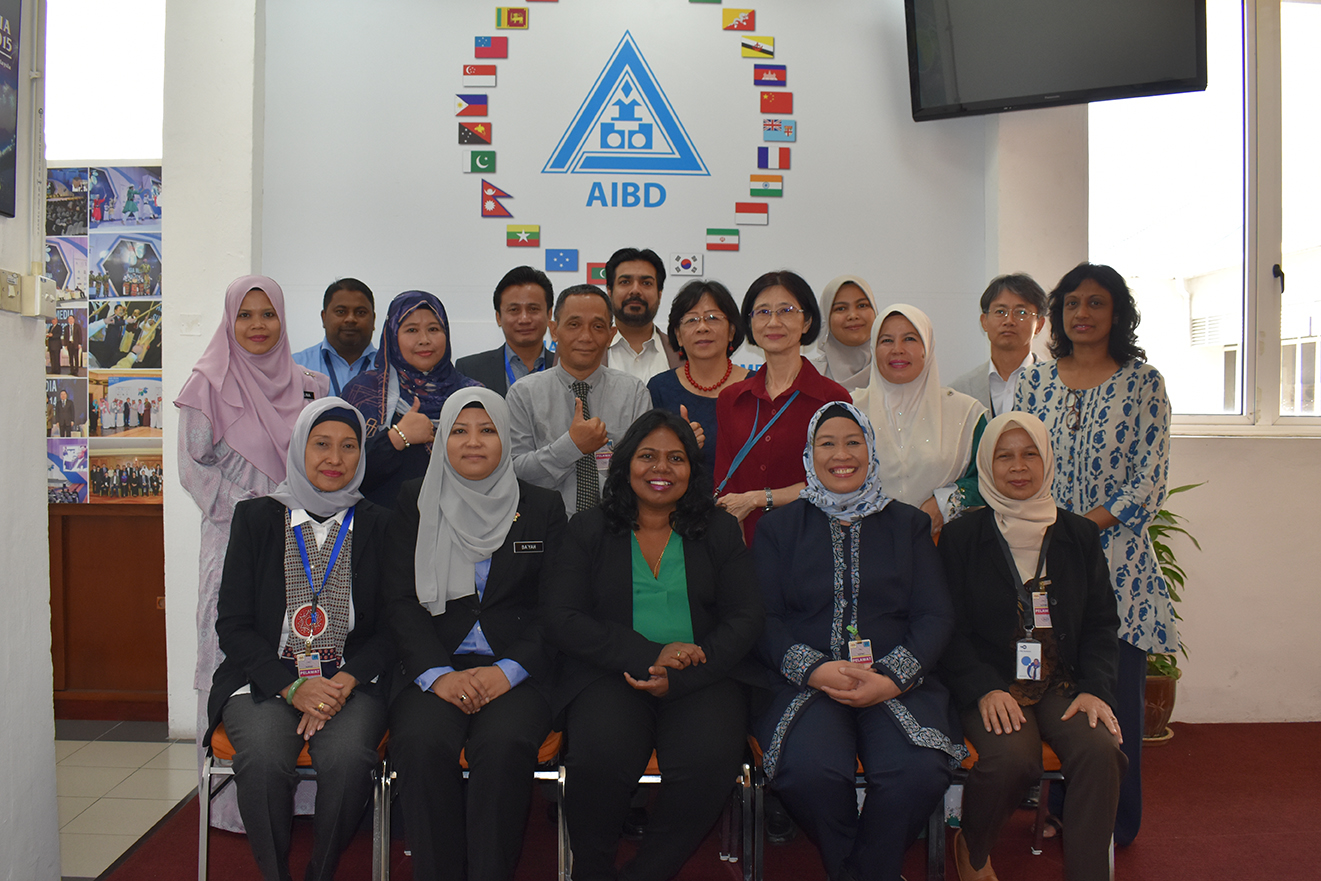
She made these remarks during a benchmarking study meet-up with a 4-member delegation from the Training Centre Division of Television Republic of Indonesia (TVRI) or PUSDIKLAT at AIBD’s premises in Kuala Lumpur.
In the pipeline, AIBD will collaborate with TVRI to hold In-Country workshops on Hybrid-DBBT, Data Journalism and Mobile Journalism or MoJo.
Led by the Head of PUSDIKLAT, Ms Ade Wandina Siregar, the Indonesian delegation was briefed on the 18 Procedures of ISO 9001:2015 which certified AIBD as an International Standards Organisation under the category of quality management system. The Institute was assessed and certified for carrying out the various activities including training, consultancy, publication, content production, conference and workshop organization.
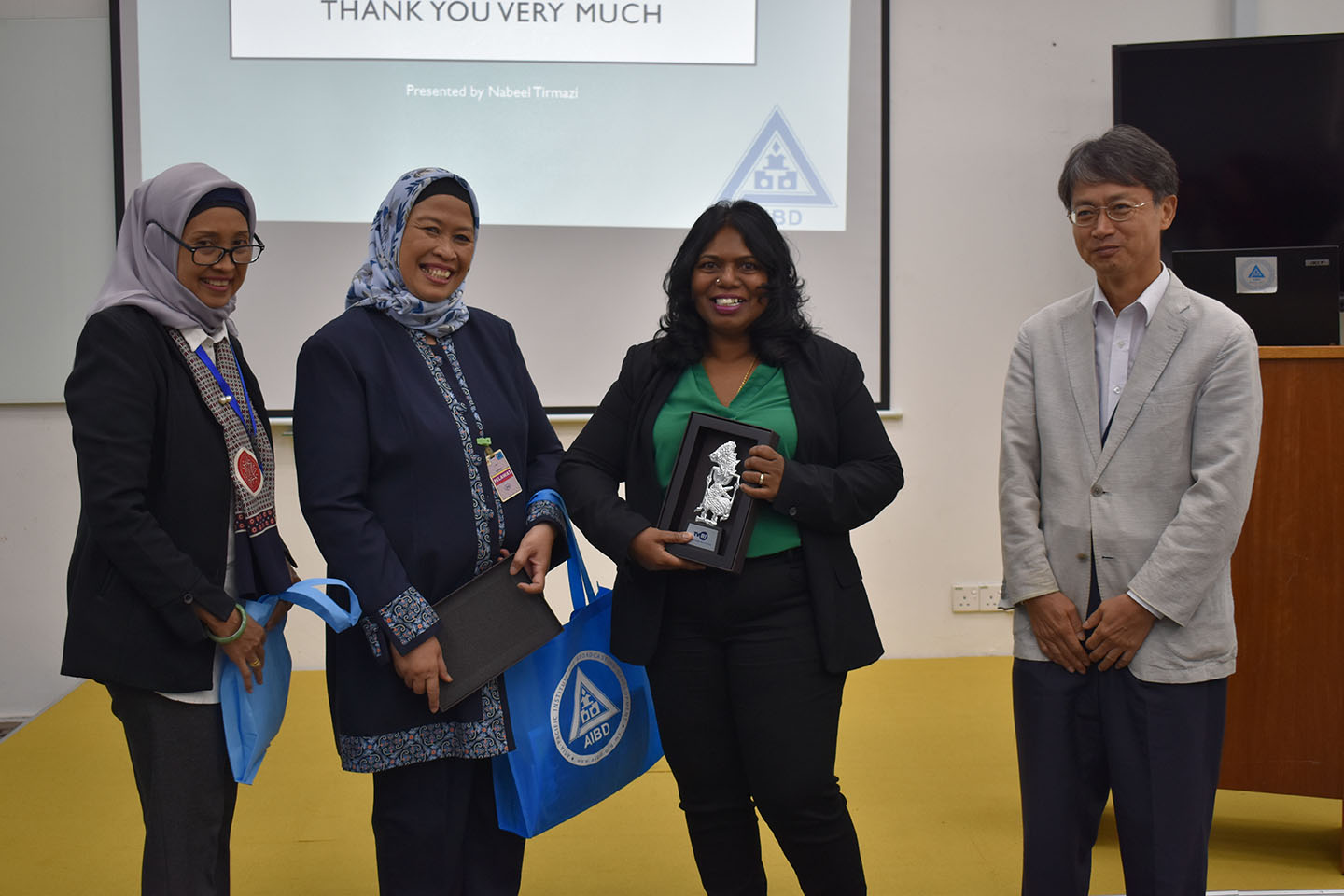
AIBD’s programme managers also shared the various training programme modules and activities including the Asia Media Summit (AMS) conference which is the flag-ship event of AIBD.
PUSDIKLAT hopes to improve its management of the entire training programme starting from Evaluation, Planning, Implementation and Utilization of training facilities optimally with the knowledge gained from the benchmarking study meet-up with AIBD.
Media can both be an arbiter and a motivator for peace. This was the key message of Ms Philomena Gnanapragasam, the Director of Asia-Pacific Institute for Broadcasting Development (AIBD), at the International Conference on Inter-Korean Broadcasting and Communications 2019 held on 25th October in Seoul, Korea. Speaking to over 250 delegates she stressed on the need for media to do more to connect peoples across borders.
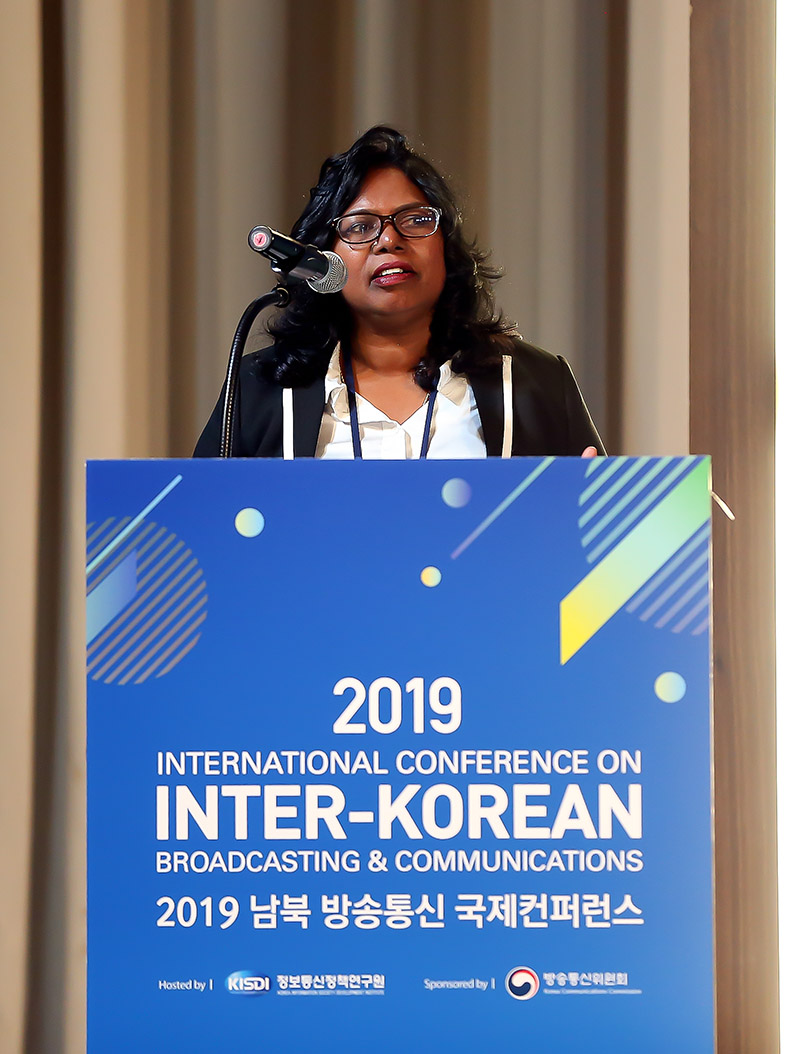
Sharing her own experiences during the unification of east and west Germany, she said media played a big role in bringing the countries together as one. “I was there in Germany when the unification happened. Much of the credit must go to the media as they constantly reported on people’s plight, their issues and concerns,” she added.
On the role of AIBD, besides building cohesive electronic media environment in the region and beyond, she said the Institute plays a critical role in bringing together media professionals, providing the platform to share ideas and knowledge. “Initiatives like these build partnerships across regions and thereby promote peace and development.”
Ms Ganapragasam highlighted some of the major activities of AIBD, like the Asia Media Summits, the General Conference and other regional training programmes and partnerships. “We have members from ASEAN, Pacific, Africa, West Asia and SAARC countries. We bring governments together to discuss common issues and challenges. It promotes inter-governmental cooperation,” she added. AIBD as a neutral body can play a prominent role in fostering bilateral ties.

The AIBD officials also visited the Incheon Community Media Foundation (CMF) Centre in Seoul and interacted with the officials there. The officials from the Centre made a detailed presentation about the Foundation, and their roles and responsibilities.
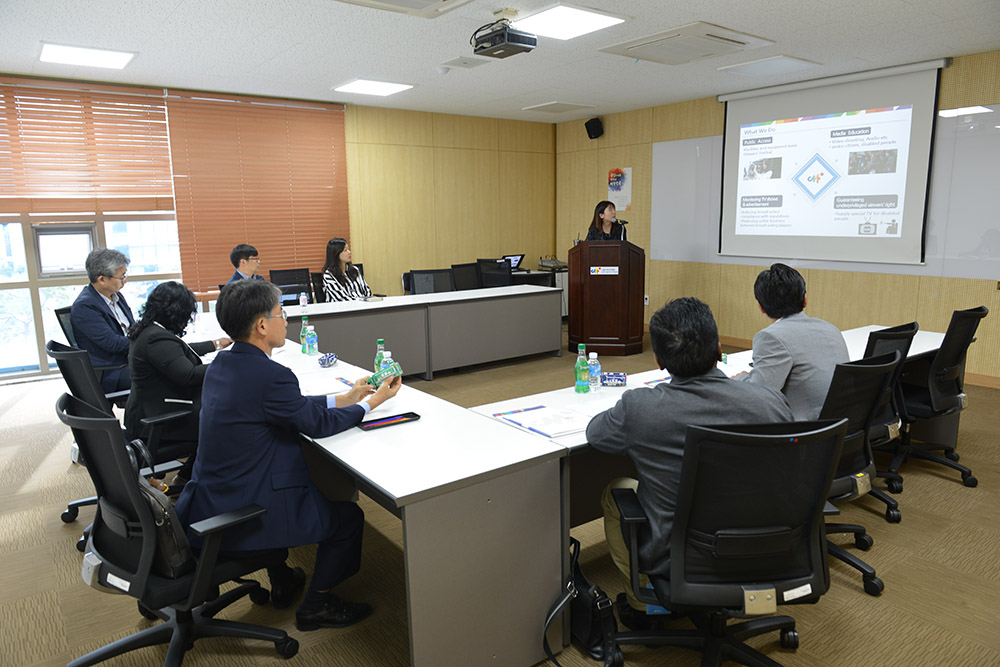
Among many initiatives the Foundation provides media education support to every layer of the society, including people with disabilities.
The Centre in Incheon has state-of-the art facilities like recording studios for both audio and videos, Virtual Reality and Drone Shooting facilities, and Multi Channel Network (MCN). All the facilities are provided free to public. They also collaborate with Universities and broadcasters.
The AIBD Director said that the media literacy efforts by CMP was an interesting concept to be replicated by other member countries. She added that CMF should invite media people from other countries to showcase their initiatives on fostering media literacy. “I will definitely talk about this concept to our partners and members,” Ms Gnanapragasam said.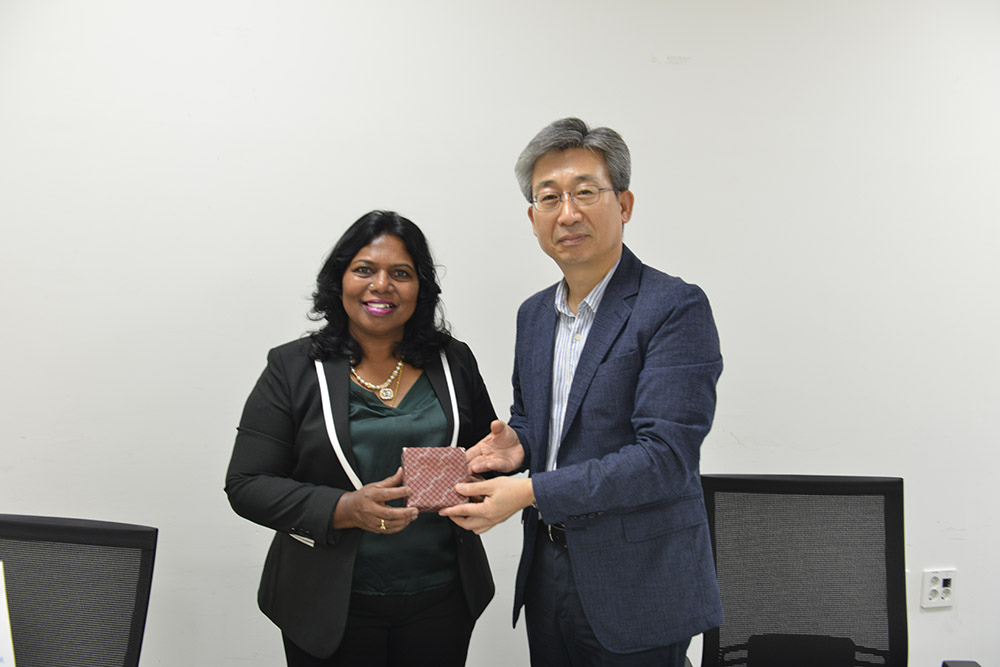
The above meetings were made possible through the efforts of Mr Bae, Jung Seob, Special Advisory Officer to AIBD from Korea.
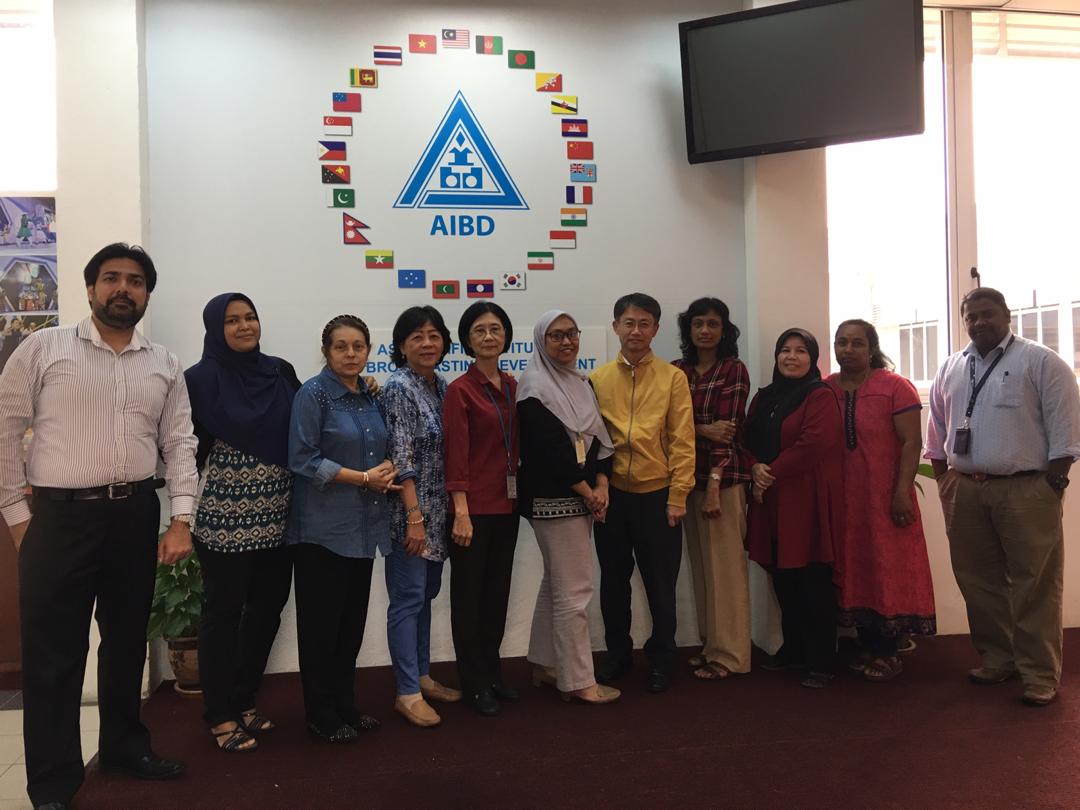
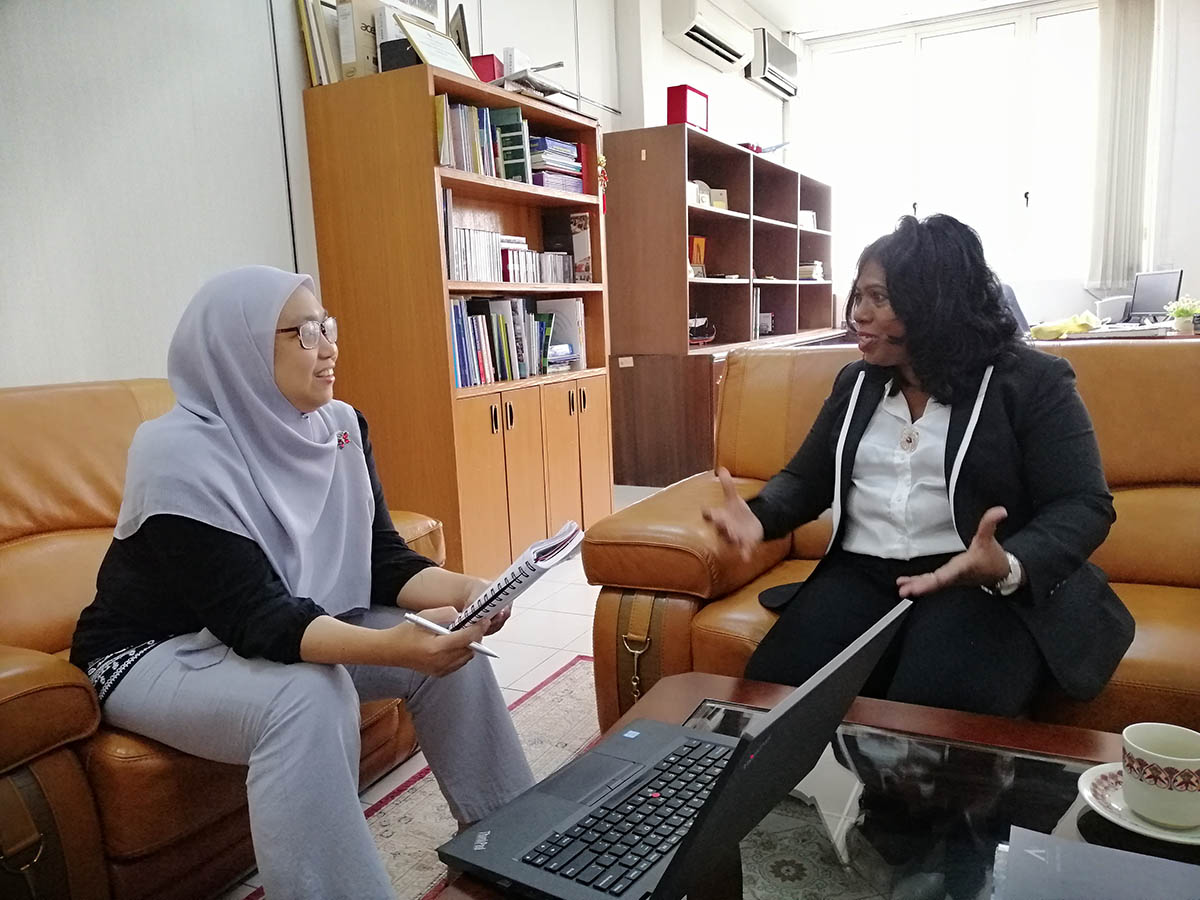
The first surveillance audit was done on 11 September 2019. The focus was on Training, Consultancy, Conference and Workshops Organisation for the programme department; whereas for the administration and IT department, it was on purchasing and for the Management it was about changed directorship. Termed as Operation Control 1, Ms Normalis Ali from SGS(M) Sdn Bhd, conducted the audit using interviews, observation of activities and review of documentation and records.
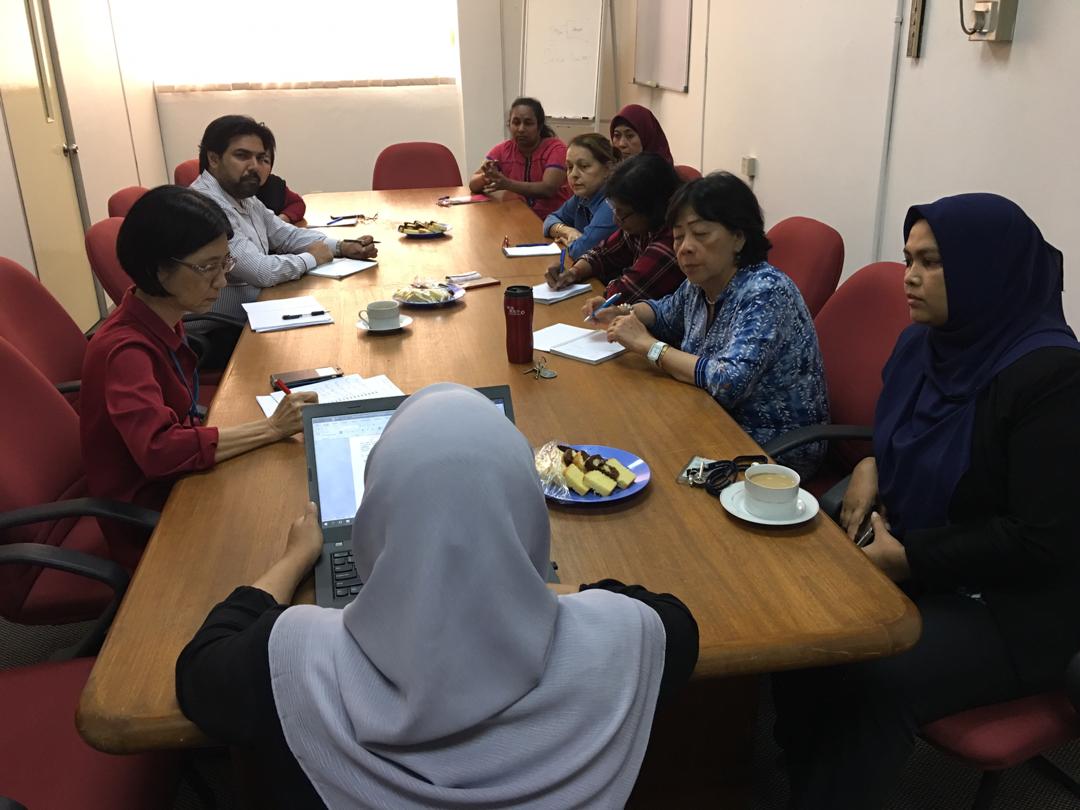
The Project ‘Asia Media Summit 2019, from 12-14 June 2019 in Siem Reap, Cambodia’ and a Regional Workshop – AIBD/IPDC/ UNESCO on ‘Addressing Gender Bias in Media from 27-29 March 2019, in Kuala Lumpur, Malaysia’ were used as samples. All internal reports, documents and evidence were verified as no non-conformity. The procedures for purchases in relation to the two events were sampled and no major non-conformity was raised.
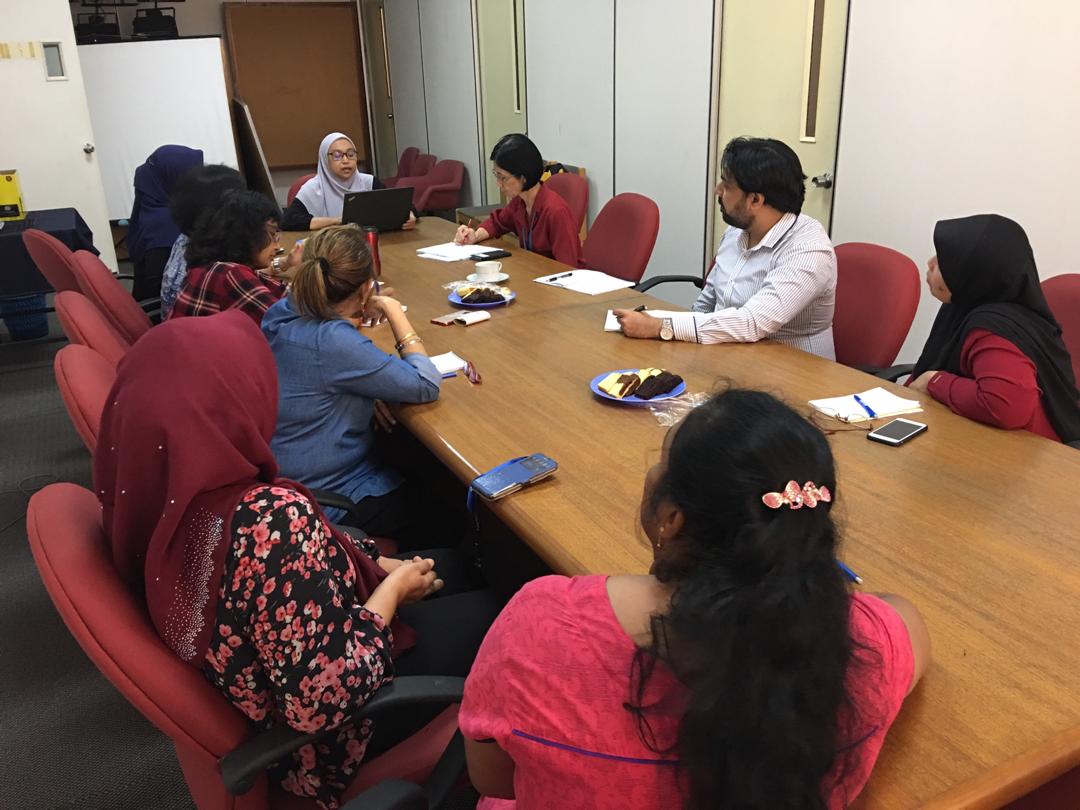
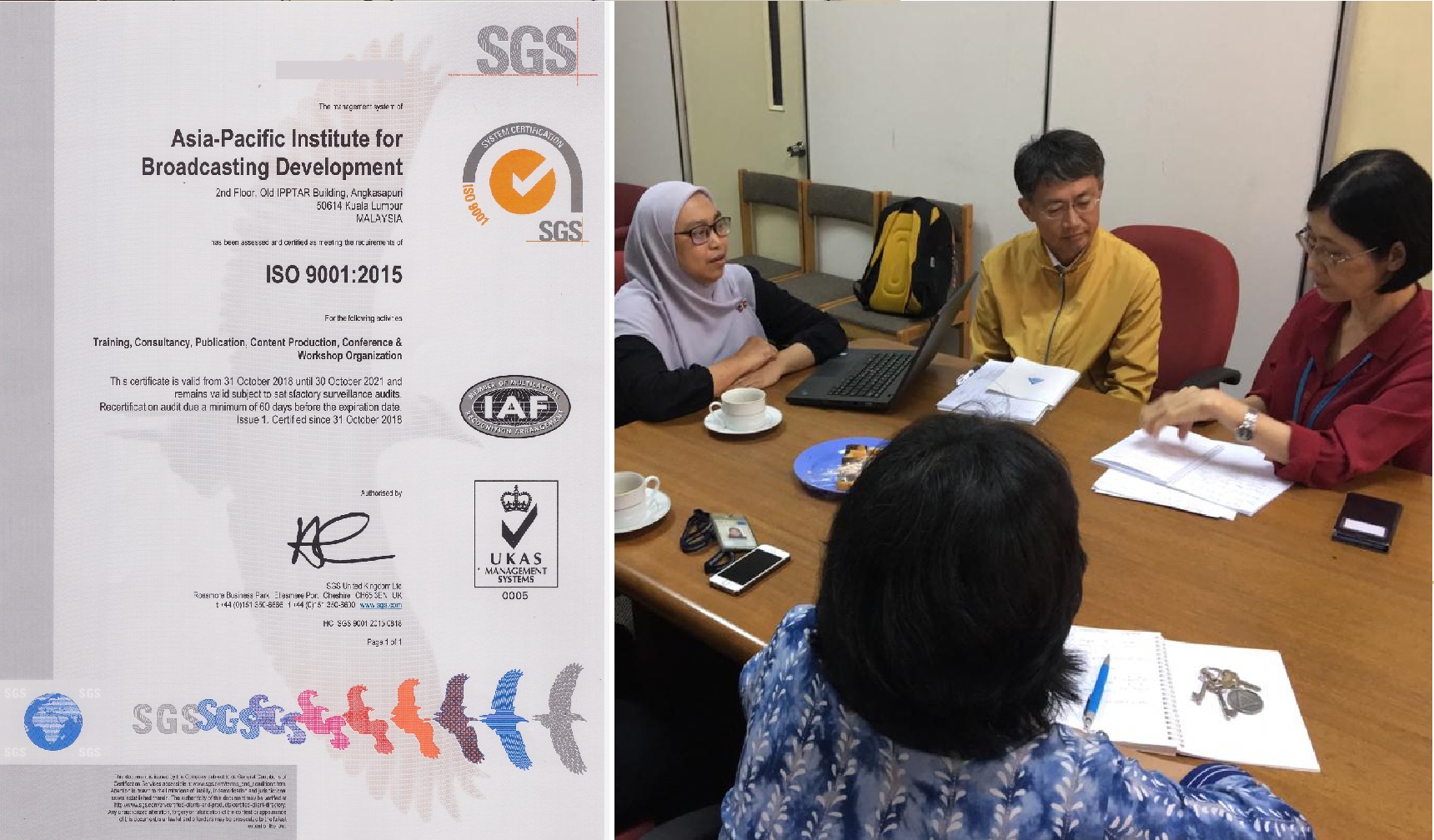
The ISO 9001:2015 internal audit program for 2019 had been fully implemented and demonstrated effectiveness as a tool for maintaining and improving management system. The three minor non-conformities raised during stage 2 audit 2018 were identified and fast appropriate actions taken accordingly.
]]>
UNESCO and AIBD should work together in fighting new challenges to freedom of expression and right to information such as the rise in disinformation and increasing risks to safety of journalists.
Mr Moez Chakchouk, Assistant Director-General for Communication and Information, UNESCO made the call in his video message during the inaugural ceremony of the 45th Annual Gathering of AIBD General Conference & Associated Meetings in Paro, Bhutan on 22 August 2019.
“ UNESCO and AIBD together can help counter these dangers. As one of founding members of AIBD, Unesco remains committed to expanding range of information available to the public”,
Supporting the importance of diversity and plurality in media, Mr Moez Chakchouk said.
He also said that rapid advances in technologies and ever-changing way we interact with media have mediated some obstacles hindering access to information and freedom of expression.
It’s now easier for users to share opinions and exchange perspectives in global scale, which has empowered a number of marginalised and hard to reach population”, he pointed out.
In his message, he stressed the importance of pluralism and diversity in media, and maintaining it needs united efforts to ensure a strong media in Asia Pacific and around the world emerges.
He took cognizance of UNESCO-AIBD initiatives in promoting gender equality in and through media , and training journalists in climate change reporting.
“ We should continue and expand these efforts”, he said.
He urged participants in the AIBD General Conference to take advantage of this platform “to identify common obstacles and exchange perspectives to inspire meaningful dialogue”.
]]>